Swinging into Fun: Embracing the Joy of Playground Adventures
The Joy of Swinging: A Timeless Playground Classic
Swinging is a beloved pastime that has been enjoyed by children and adults alike for generations. Whether it’s on a traditional playground swing set or a makeshift rope swing hanging from a tree, the simple act of swinging can bring immense joy and excitement.
There’s something magical about the feeling of soaring through the air, propelled by nothing but the power of your own legs. The wind rushes past your face, your heart races with each arc back and forth, and for a brief moment, you feel like you’re flying.
Swinging is not just about fun; it also offers a range of physical and mental benefits. It helps improve balance, coordination, and spatial awareness. The rhythmic motion can be soothing and calming, making it a great way to relax and unwind after a long day.
For children, swinging is more than just play – it’s also a form of exercise that engages their muscles and promotes physical development. It encourages them to use their bodies in new ways, building strength and agility in the process.
But swinging isn’t just for kids; adults can benefit from it too. It’s a fantastic way to stay active and enjoy the outdoors while tapping into that sense of freedom and nostalgia that swinging brings.
So next time you see a swing beckoning to you from the playground or hanging temptingly from that sturdy tree branch, don’t hesitate to take a seat and give yourself over to the simple pleasure of swinging. Embrace the feeling of weightlessness, let go of your worries, and allow yourself to be swept up in the timeless joy of this classic playground activity.
Everything You Need to Know About Swings: FAQs on Safety, Types, and Benefits
- How do I properly push someone on a swing?
- What are the safety guidelines for using a swing?
- Are there different types of swings available?
- At what age can children start using swings?
- Can swinging help with sensory processing or relaxation?
- What are the benefits of swinging for physical development?
- Are there any precautions to take when swinging on a homemade swing?
- Is it safe for adults to use playground swings designed for children?
- How do I install a swing in my backyard?
How do I properly push someone on a swing?
When it comes to pushing someone on a swing, it’s important to find the right rhythm and technique to ensure a smooth and enjoyable experience. Start by standing behind the person on the swing and gently push them as they swing back towards you. Timing is key – push when they are swinging away from you, not towards you, to help them gain momentum. Use a steady and consistent pace to maintain the motion without pushing too hard or too fast. Pay attention to their comfort level and adjust your pushing style accordingly. Communication is also essential – listen to any feedback they may have and be responsive to their needs for a safe and fun swinging session.
What are the safety guidelines for using a swing?
When it comes to using a swing safely, there are a few important guidelines to keep in mind. Firstly, always ensure that the swing is securely attached to its frame or support structure before use. It’s essential to sit properly on the swing seat, holding onto the chains or ropes firmly while swinging back and forth. Encourage children to take turns and avoid overcrowding on the swing set to prevent collisions. Additionally, be mindful of the swing’s range of motion and make sure there is enough clearance around it to avoid accidents. Lastly, supervise young children closely while they are swinging to ensure they follow these safety guidelines and enjoy their swinging experience responsibly.
Are there different types of swings available?
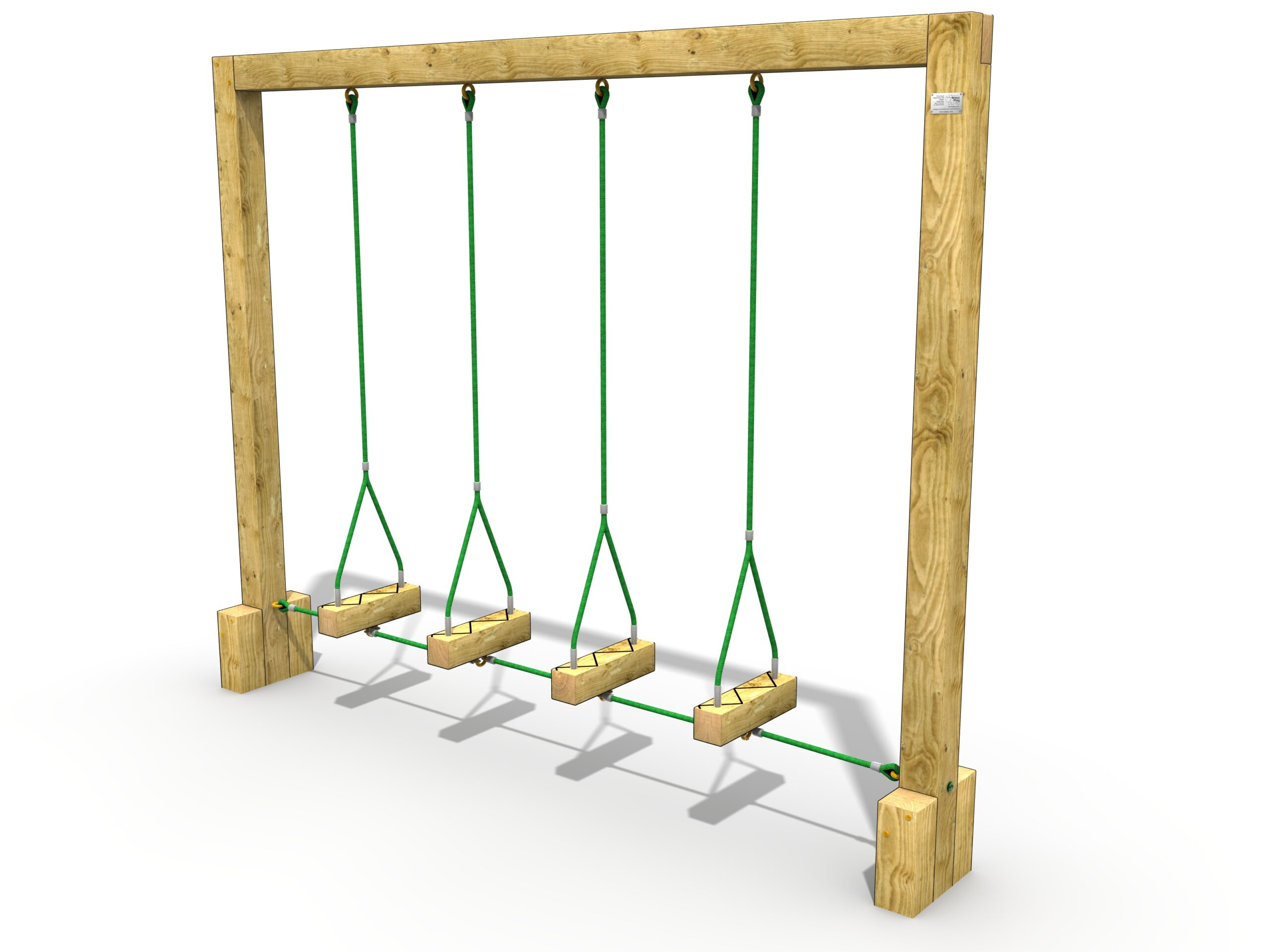
Yes, there are indeed different types of swings available to cater to various preferences and needs. From the classic belt swings and bucket swings commonly found in playgrounds to more specialized options like disc swings, tire swings, and hammock swings, there is a wide range of choices for swinging enthusiasts. Each type of swing offers a unique experience, whether it’s the thrill of spinning on a disc swing or the relaxation of gently swaying in a hammock swing. Whether you’re looking for a traditional swinging experience or something more adventurous, there’s a swing out there for everyone to enjoy.
At what age can children start using swings?
The age at which children can start using swings can vary depending on their physical development and coordination skills. Generally, most children are ready to enjoy swinging on a swing set around the age of 6 months to 1 year old, when they have developed enough head and neck control to sit upright with support. It’s essential for parents or caregivers to supervise young children closely while they are using swings to ensure their safety and comfort. As children grow and develop, swinging can become a fun and beneficial activity that promotes physical exercise, balance, and coordination skills.
Can swinging help with sensory processing or relaxation?
Swinging has been found to be beneficial for sensory processing and relaxation in individuals of all ages. The rhythmic motion of swinging can have a calming effect on the nervous system, helping to regulate sensory input and promote a sense of calmness. For individuals with sensory processing issues, swinging can provide much-needed sensory stimulation and help them feel more grounded and in control. Whether it’s the gentle sway of a hammock or the exhilarating back-and-forth motion of a swing set, swinging offers a therapeutic experience that can aid in relaxation and overall well-being.
What are the benefits of swinging for physical development?
Swinging offers a multitude of benefits for physical development. The act of swinging engages various muscle groups, including the core, arms, and legs, promoting strength and coordination. It also helps improve balance and spatial awareness as individuals navigate the swinging motion. Furthermore, swinging encourages sensory integration as the body experiences different movements and sensations, stimulating the vestibular system. Overall, incorporating swinging into physical activities can enhance motor skills, endurance, and overall physical well-being in a fun and engaging way.
Are there any precautions to take when swinging on a homemade swing?
When swinging on a homemade swing, it is essential to take certain precautions to ensure safety. Firstly, make sure that the swing is securely attached to a strong and stable support structure, such as a sturdy tree branch or a robust beam. Inspect the materials used to construct the swing regularly for any signs of wear and tear, and replace them if necessary. It’s also important to check the knots and attachments to ensure they are secure before each use. Additionally, always supervise children when they are using a homemade swing to prevent accidents or injuries. By taking these precautions, you can enjoy swinging on your homemade creation safely and worry-free.
Is it safe for adults to use playground swings designed for children?
When it comes to the question of whether it is safe for adults to use playground swings designed for children, caution should be exercised. While playground swings are typically designed and intended for use by children, adults may find themselves tempted to give them a try. However, it’s important to consider weight limits, structural integrity, and the potential risk of injury before attempting to swing on equipment not meant for adult use. It’s advisable for adults to seek out designated adult swing sets or alternative recreational facilities that cater to their size and weight to ensure a safe and enjoyable swinging experience.
How do I install a swing in my backyard?
Installing a swing in your backyard can be a fun and rewarding project that the whole family can enjoy. To set up a swing, start by selecting a suitable location with enough space for swinging back and forth safely. Ensure the area is clear of obstacles and overhead obstructions. Next, choose the type of swing you want – whether it’s a traditional single-seat swing, a tire swing, or a hammock swing. Install a sturdy beam or tree branch to hang the swing from, making sure it can support the weight and motion of swinging. Use strong, weather-resistant ropes or chains to attach the swing securely. Test the swing for stability before allowing anyone to use it, and always supervise children while they play on the swing for added safety. With proper installation and precautions in place, your backyard swing will become a favourite spot for relaxation and playtime.