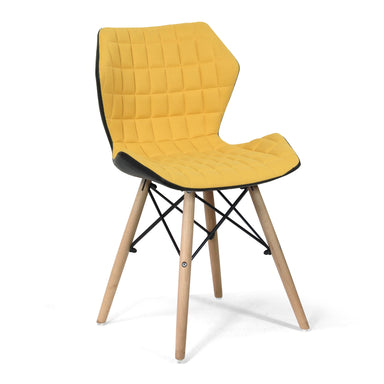
The Art of Sitting: Exploring the Evolution of the Chair
The Evolution of the Chair: A History of Comfort and Style
Chairs have been an essential part of human life for centuries, providing comfort, support, and style in various settings. From simple wooden stools to modern ergonomic designs, the chair has evolved significantly over time to meet our changing needs and preferences.
Ancient civilisations used rudimentary forms of seating such as benches and stools made from stone or wood. These early chairs were basic in design but served their purpose by offering a raised platform for people to sit on.
As societies advanced, so did chair design. The ancient Egyptians crafted ornate chairs with intricate carvings and decorations, reserved for royalty and dignitaries. In medieval times, chairs became symbols of status and power, with elaborate thrones used by kings and queens to signify their authority.
The Renaissance period saw a resurgence in chair-making craftsmanship, with artisans creating elegant and elaborate designs inspired by classical Greek and Roman styles. Chairs became more comfortable with the addition of padded seats and upholstered backs, catering to the growing emphasis on luxury and comfort.
The Industrial Revolution brought about significant changes in chair production, with mass manufacturing techniques allowing for chairs to be produced quickly and affordably. This led to a proliferation of chair styles ranging from sleek metal designs to plush armchairs, catering to different tastes and preferences.
In the modern era, chairs have evolved to prioritise comfort, functionality, and ergonomics. Designers focus on creating chairs that support good posture, reduce strain on the body, and promote overall well-being. From office chairs with adjustable lumbar support to lounge chairs that contour to your body shape, today’s chairs are designed with both style and health in mind.
Whether it’s a classic Windsor chair or a futuristic ergonomic office chair, one thing remains constant – the chair continues to be an indispensable piece of furniture that enhances our daily lives in countless ways.
Your Guide to Choosing and Caring for Chairs: 7 Frequently Asked Questions
- What are the different types of chairs available?
- How do I choose the right chair for my home/office?
- What materials are commonly used to make chairs?
- Are there specific chairs recommended for people with back pain?
- Can chairs be customised or upholstered according to personal preference?
- How should I maintain and clean my chairs to keep them in good condition?
- Are there eco-friendly or sustainable options available when it comes to buying chairs?
What are the different types of chairs available?
There is a wide variety of chairs available to suit different needs and preferences. Some common types include dining chairs, which are designed for use at dining tables and come in various styles such as upholstered, wooden, or metal. Armchairs are larger, more comfortable chairs with armrests, perfect for lounging or reading. Office chairs are specifically designed for long hours of sitting at a desk, with features like adjustable height and lumbar support. Recliners offer the ultimate relaxation with their reclining backrests and footrests. Folding chairs are convenient for temporary seating solutions and easy storage. Each type of chair serves a specific purpose and adds its own unique touch to any space.
How do I choose the right chair for my home/office?
When selecting the perfect chair for your home or office, it’s essential to consider both comfort and functionality. Start by assessing your needs – do you require a chair for long hours of work at a desk or for relaxing in a living room? Look for chairs that provide adequate support for your back, neck, and arms to promote good posture and reduce strain. Consider the material and design of the chair to ensure it complements the existing decor of your space. Test out different chairs to find one that feels comfortable and suits your individual preferences. Remember, the right chair can make a significant difference in your daily comfort and productivity, so choose wisely!
What materials are commonly used to make chairs?
Chairs are crafted using a variety of materials, each offering unique characteristics and aesthetics. Common materials used to make chairs include wood, metal, plastic, and upholstery fabrics. Wood is a popular choice for its durability and timeless appeal, with options ranging from solid oak to sleek walnut finishes. Metal chairs are known for their strength and modern look, often seen in industrial or contemporary designs. Plastic chairs are lightweight and versatile, making them ideal for outdoor use or in casual settings. Upholstery fabrics such as leather or fabric add comfort and style to chairs, providing a soft and inviting seat for users. The choice of material plays a significant role in determining the chair’s overall look, feel, and functionality.
Are there specific chairs recommended for people with back pain?
For individuals experiencing back pain, there are specific chairs recommended to help alleviate discomfort and promote better spinal alignment. Ergonomic chairs with adjustable lumbar support are often recommended for people with back pain, as they provide customisable support to the lower back region. Chairs with proper cushioning and padding can also help reduce pressure on the spine and improve overall comfort. It’s important to choose a chair that encourages good posture and allows for frequent movement to prevent stiffness and strain on the back muscles. Consulting with a healthcare professional or ergonomic specialist can help determine the best chair options tailored to individual needs and preferences.
Can chairs be customised or upholstered according to personal preference?
Chairs can indeed be customised or upholstered according to personal preference, allowing individuals to tailor their seating experience to suit their unique style and comfort needs. Whether it’s choosing a specific fabric or colour for upholstery, adding extra cushioning for enhanced comfort, or even modifying the chair’s design to better fit a particular space, customisation options offer a way to make a chair truly one-of-a-kind. By personalising chairs in this way, individuals can create a seating solution that not only reflects their personality and taste but also provides optimal support and enjoyment for everyday use.
How should I maintain and clean my chairs to keep them in good condition?
To keep your chairs in good condition, regular maintenance and cleaning are essential. Start by dusting or vacuuming the chairs regularly to remove any dirt or debris. For wooden chairs, use a mild wood cleaner to gently wipe down the surfaces and avoid harsh chemicals that may damage the finish. Upholstered chairs should be spot cleaned with a fabric cleaner or upholstery shampoo to remove stains and spills. Leather chairs can be wiped down with a damp cloth and conditioned with a leather conditioner to keep them supple. Remember to check the manufacturer’s guidelines for specific care instructions to ensure your chairs stay looking their best for years to come.
Are there eco-friendly or sustainable options available when it comes to buying chairs?
When it comes to purchasing chairs, many consumers are increasingly seeking eco-friendly and sustainable options. In response to growing environmental concerns, furniture manufacturers have been exploring innovative materials and production methods to create chairs that are more environmentally friendly. From using recycled materials to sourcing wood from sustainably managed forests, there is a rising trend towards offering chairs that minimise their impact on the planet. By choosing eco-friendly chair options, consumers can not only enhance the style and comfort of their living spaces but also contribute to a greener and more sustainable future for generations to come.