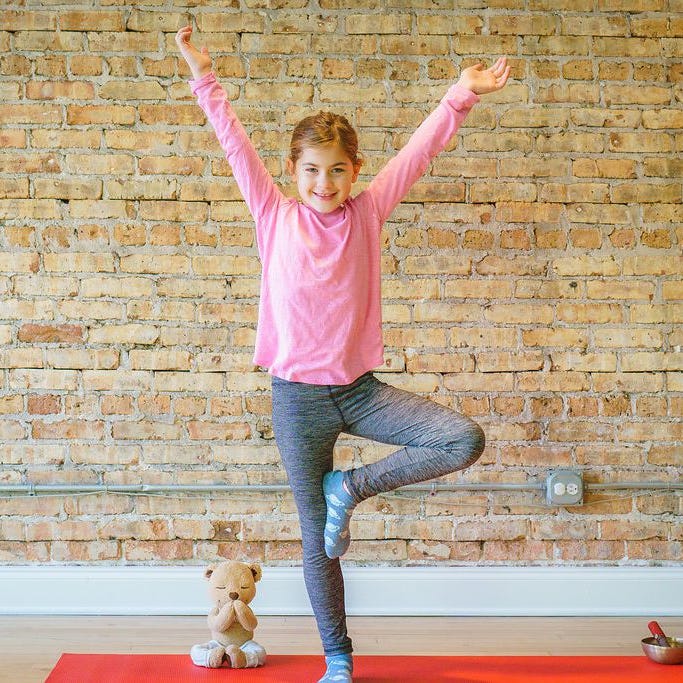
Promoting Healthy Habits: The Benefits of Exercise for Children
The Importance of Exercise for Children
Physical activity is crucial for the health and development of children. Regular exercise not only helps in maintaining a healthy weight but also contributes to overall well-being. Here are some reasons why exercise is essential for children:
- Physical Health: Exercise helps in strengthening muscles, bones, and the cardiovascular system. It reduces the risk of obesity, diabetes, and other health conditions.
- Mental Health: Physical activity releases endorphins, which are known as ‘feel-good’ hormones. It can help in reducing stress, anxiety, and improving mood.
- Cognitive Development: Studies have shown that regular exercise can improve concentration, memory, and learning abilities in children.
- Social Skills: Participating in group activities or sports can help children develop teamwork, communication skills, and build friendships.
- Sleep Quality: Exercise promotes better sleep patterns, leading to improved rest and overall health.
It’s important for parents and caregivers to encourage children to be active every day. This can include activities such as cycling, swimming, playing sports, dancing, or simply going for a walk in the park. Limiting screen time and promoting outdoor play can also help in increasing physical activity levels.
Remember that exercise should be fun for children. Encourage them to try different activities until they find something they enjoy. By making exercise a part of their routine from a young age, you are setting them up for a lifetime of good health habits.
So let’s get moving and keep our children active and healthy!
Essential Exercise Guidelines and Tips for Children’s Health and Development
- 1. How much exercise should children get each day?
- 2. What are some fun activities to encourage children to exercise?
- 3. Are there any specific exercises that are best for children’s development?
- 4. How can parents motivate their children to be more active?
- 5. Is it safe for children to lift weights or do strength training exercises?
- 6. What are the benefits of incorporating exercise into a child’s daily routine?
1. How much exercise should children get each day?
It is recommended that children aged 5 to 18 years old should engage in at least 60 minutes of moderate to vigorous physical activity each day. This can include activities that get their heart rate up and make them breathe harder, such as running, swimming, or playing sports. It’s important for children to incorporate a variety of activities into their daily routine to ensure they are getting enough exercise to support their overall health and well-being. Parents and caregivers play a crucial role in encouraging and facilitating regular physical activity for children, helping them develop healthy habits that can last a lifetime.
2. What are some fun activities to encourage children to exercise?
Encouraging children to exercise can be enjoyable and engaging with a variety of fun activities. Some exciting options include outdoor games like tag, hide and seek, or obstacle courses that get kids moving while having a great time. Sports such as football, basketball, or swimming can also be excellent choices to promote physical activity and teamwork. Dance parties, bike rides, nature walks, and even gardening can be creative ways to keep children active and interested in staying fit. By incorporating play and creativity into exercise routines, children are more likely to stay motivated and develop a lifelong love for being active.
3. Are there any specific exercises that are best for children’s development?
When it comes to children’s development, a variety of exercises can be beneficial. While there may not be a one-size-fits-all answer to the best exercises for children, activities that promote strength, flexibility, balance, and cardiovascular health are generally recommended. Some examples include running, jumping, climbing, swimming, dancing, and playing sports. Encouraging children to engage in a mix of activities that challenge different muscle groups and skills can contribute to their overall physical development. It’s important to focus on fun and age-appropriate exercises that keep children motivated and enthusiastic about staying active.
4. How can parents motivate their children to be more active?
Parents play a crucial role in motivating their children to be more active. One effective way is by being active role models themselves. When children see their parents engaging in physical activities, they are more likely to follow suit. Encouraging outdoor play, limiting screen time, and making exercise a fun family activity can also help motivate children to be more active. Setting achievable goals, providing positive reinforcement, and praising their efforts can boost their confidence and enthusiasm for staying active. Additionally, involving children in choosing activities they enjoy can make exercise feel less like a chore and more like an enjoyable experience. By creating a supportive and engaging environment, parents can inspire their children to lead healthy and active lifestyles.
5. Is it safe for children to lift weights or do strength training exercises?
When it comes to children lifting weights or engaging in strength training exercises, safety is a top priority. It is generally safe for children to participate in age-appropriate strength training activities under the supervision of qualified professionals. Strength training can help improve muscle strength, bone density, and overall fitness levels in children. However, it is important to ensure that the exercises are suitable for the child’s age, physical development, and skill level. Proper technique and form should be emphasised to prevent injury. Consulting with a healthcare provider or fitness expert can help determine the best approach for introducing strength training to children in a safe and effective manner.
6. What are the benefits of incorporating exercise into a child’s daily routine?
Incorporating exercise into a child’s daily routine offers a multitude of benefits that positively impact their physical, mental, and emotional well-being. Regular physical activity helps children develop strong muscles and bones, maintain a healthy weight, and reduce the risk of chronic diseases. It also promotes better sleep quality, enhances cognitive functions such as concentration and memory, and boosts mood by releasing endorphins. Additionally, engaging in exercise fosters social skills through teamwork and communication in group activities or sports. By making exercise a consistent part of a child’s routine, parents can set the foundation for a lifetime of good health habits and overall well-being.