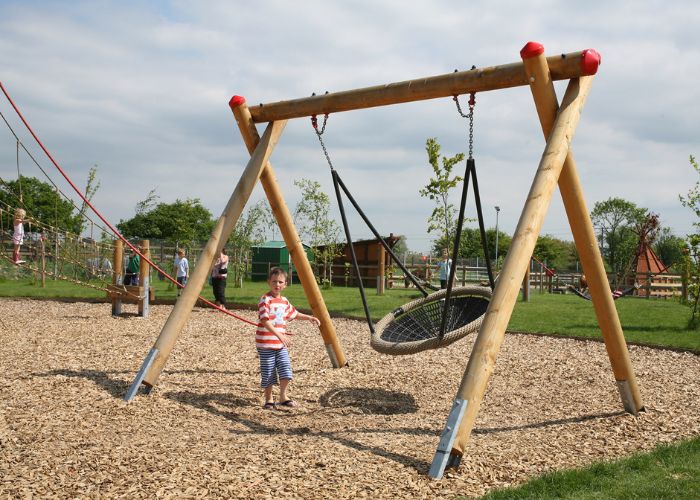
Exploring the Magic of the School Playground: Where Learning Meets Fun!
The Importance of School Playgrounds
School playgrounds are more than just spaces for children to run around and play during break times. They are essential for the overall development and well-being of students. Here are some reasons why school playgrounds are so important:
Physical Health
Playgrounds provide children with the opportunity to engage in physical activities that help improve their overall health and fitness. Running, jumping, climbing, and swinging all contribute to the development of motor skills and coordination.
Social Skills
Playgrounds are where children learn important social skills such as cooperation, communication, and conflict resolution. Interacting with peers in a play environment helps them develop empathy, teamwork, and leadership abilities.
Mental Well-being
Outdoor play has been linked to improved mental well-being in children. The fresh air, natural surroundings, and physical activity help reduce stress, anxiety, and improve mood. Playgrounds offer a space for children to relax, unwind, and have fun.
Creativity and Imagination
Playgrounds stimulate creativity and imagination in children. They can transform the space into a castle, spaceship, or jungle gym in their minds. This imaginative play fosters cognitive development and problem-solving skills.
Inclusivity
School playgrounds should be inclusive spaces where all students feel welcome and can participate in activities regardless of their abilities. Accessible equipment and inclusive design ensure that every child can enjoy the benefits of outdoor play.
In conclusion, school playgrounds play a vital role in the holistic development of children. They offer a range of benefits that contribute to physical health, social skills, mental well-being, creativity, and inclusivity. Schools should prioritise the maintenance and enhancement of playground facilities to provide students with a safe and stimulating environment for play.
Benefits of School Playgrounds: Enhancing Physical, Social, and Cognitive Development in Children
- Promotes physical activity and fitness among students.
- Encourages social interaction and the development of important social skills.
- Contributes to improved mental well-being by providing a space for relaxation and fun.
- Stimulates creativity, imagination, and cognitive development in children.
- Fosters inclusivity by offering opportunities for all students to participate in play activities.
- Helps children learn important life lessons such as teamwork, communication, and problem-solving.
Challenges in School Playgrounds: Addressing Safety, Supervision, and Inclusivity Concerns
- Risk of accidents and injuries during play
- Limited supervision leading to potential bullying or conflicts
- Unequal access to playground equipment for all students
- Maintenance issues such as broken equipment or unsafe surfaces
- Lack of shaded areas, exposing children to sunburn or heat-related illnesses
- Potential for exclusion or isolation of certain students during play
Promotes physical activity and fitness among students.
School playgrounds play a crucial role in promoting physical activity and fitness among students. By providing a space where children can run, jump, climb, and engage in active play, school playgrounds encourage regular exercise that is essential for maintaining good health and fitness levels. This proactively contributes to the overall well-being of students, helping them develop motor skills, coordination, and a healthy lifestyle from a young age.
Encourages social interaction and the development of important social skills.
School playgrounds play a crucial role in fostering social interaction and nurturing essential social skills in children. Through collaborative play, students learn how to communicate effectively, cooperate with others, resolve conflicts peacefully, and develop empathy towards their peers. These interactions help build strong friendships, enhance teamwork abilities, and lay the foundation for positive social relationships both inside and outside the school environment. The school playground serves as a dynamic space where children can engage with one another, share experiences, and grow socially in a supportive and inclusive setting.
Contributes to improved mental well-being by providing a space for relaxation and fun.
School playgrounds play a crucial role in promoting improved mental well-being among children by offering a dedicated space for relaxation and fun. The outdoor environment, fresh air, and engaging activities available in playgrounds create a positive atmosphere where students can unwind, destress, and enjoy themselves. This break from academic pressures allows children to recharge their minds, reduce anxiety, and boost their overall mood, ultimately contributing to a healthier state of mental well-being.
Stimulates creativity, imagination, and cognitive development in children.
School playgrounds serve as dynamic environments that spark creativity, ignite imagination, and enhance cognitive development in children. Through unstructured play and exploration, youngsters have the freedom to invent new games, role-play scenarios, and solve challenges, fostering their creative thinking skills. The diverse elements of a playground, from climbing structures to open spaces, provide endless opportunities for children to engage in imaginative play and develop their problem-solving abilities. By encouraging creativity and imagination in a playful setting, school playgrounds become invaluable spaces where children can learn and grow in a holistic way.
Fosters inclusivity by offering opportunities for all students to participate in play activities.
School playgrounds play a crucial role in fostering inclusivity by providing opportunities for all students to participate in play activities. Regardless of their abilities or background, every child has the chance to engage in fun and meaningful experiences on the playground. Inclusive design and accessible equipment ensure that no one is left out, promoting a sense of belonging and unity among students. By creating a welcoming space where everyone can join in and have a good time, school playgrounds help build a supportive community where diversity is celebrated and embraced.
Helps children learn important life lessons such as teamwork, communication, and problem-solving.
School playgrounds are invaluable spaces that offer children the opportunity to learn essential life lessons such as teamwork, communication, and problem-solving. Through interactive play activities with their peers, children develop crucial social skills that will benefit them throughout their lives. By navigating group games, negotiating conflicts, and collaborating on tasks, children learn how to work together effectively, communicate their ideas clearly, and solve problems creatively. These experiences on the school playground not only enhance their interpersonal skills but also lay a strong foundation for their future success in various social situations.
Risk of accidents and injuries during play
The risk of accidents and injuries during play is a significant concern associated with school playgrounds. Despite efforts to ensure safety through supervision and equipment maintenance, children are prone to falls, collisions, and other mishaps while engaging in physical activities. These incidents can lead to minor cuts and bruises or more serious injuries, impacting both the well-being of the child involved and raising concerns among parents and school staff. It is essential for schools to implement strict safety protocols, provide adequate supervision, and regularly assess playground equipment to minimise the risk of accidents and create a safer play environment for all students.
Limited supervision leading to potential bullying or conflicts
One significant drawback of school playgrounds with limited supervision is the increased potential for bullying or conflicts among students. When there are not enough adults present to monitor interactions, some children may engage in negative behaviours such as teasing, exclusion, or physical aggression towards their peers. This lack of oversight can create an unsafe environment where vulnerable students may feel intimidated or targeted, impacting their overall well-being and sense of security at school. Implementing adequate supervision protocols and promoting positive behaviour management strategies are crucial in addressing and preventing instances of bullying and conflicts on the playground.
Unequal access to playground equipment for all students
Unequal access to playground equipment for all students is a significant con that can impact the overall experience and well-being of children in a school setting. When some students have limited or restricted access to certain playground equipment due to factors such as overcrowding, lack of maintenance, or design limitations, it can lead to feelings of exclusion and unfairness. This inequality may hinder opportunities for physical activity, social interaction, and creative play, ultimately affecting the development and enjoyment of all students. Schools should strive to address this issue by promoting equal access to playground resources and ensuring that every child has the opportunity to benefit from a diverse and inclusive play environment.
Maintenance issues such as broken equipment or unsafe surfaces
Maintenance issues such as broken equipment or unsafe surfaces on school playgrounds pose a significant risk to the safety and well-being of children. When playground equipment is not properly maintained, it can lead to accidents and injuries, jeopardising the physical health of students. Additionally, unsafe surfaces such as broken asphalt or slippery areas can increase the likelihood of falls and other mishaps. These maintenance issues not only compromise the overall quality of play but also create a negative impact on the learning environment, highlighting the importance of regular inspections and repairs to ensure that school playgrounds remain safe and enjoyable for all children.
Lack of shaded areas, exposing children to sunburn or heat-related illnesses
The lack of shaded areas in school playgrounds poses a significant risk to children’s health and well-being, as it exposes them to the harmful effects of excessive sun exposure. Without adequate shade, children are vulnerable to sunburn, heat exhaustion, and other heat-related illnesses. Prolonged exposure to the sun’s UV rays can increase the risk of skin damage and long-term health issues. It is essential for schools to address this con by providing sufficient shaded areas where children can seek refuge from the sun and stay protected while enjoying outdoor play activities.
Potential for exclusion or isolation of certain students during play
The potential for exclusion or isolation of certain students during play is a significant con of school playgrounds. In some cases, cliques may form, leading to exclusionary behaviour that can leave some students feeling left out or isolated. This can have a negative impact on their social development and overall well-being. Addressing this issue requires proactive measures to promote inclusivity, encourage empathy, and foster a culture of acceptance among students. By creating a more inclusive and welcoming playground environment, schools can help ensure that all students feel valued and included in the play experience.