Toddlers Play: Fun Ways to Learn, Explore and Grow
Toddler Play: Learning Through Fun
For toddlers, play is much more than a way to pass the time. It is how they explore the world, practise new skills and make sense of what they see around them. A cardboard box can become a den, a pile of blocks can turn into a tower, and a game of peekaboo can bring endless giggles. Everyday play gives little ones plenty of opportunities to learn at their own pace.
Why play matters
Play supports many areas of a toddler’s development. Running, climbing and dancing help build balance, strength and coordination. Drawing, stacking blocks and playing with simple puzzles encourage hand–eye coordination and fine motor skills. Pretend play, songs and stories can also help toddlers develop their language, imagination and understanding of feelings.
Playing alongside other children gives toddlers a chance to practise social skills, such as taking turns, sharing space and communicating what they want. These skills take time to develop, so it is perfectly normal for young children to need a little help and encouragement.
Simple play ideas for toddlers
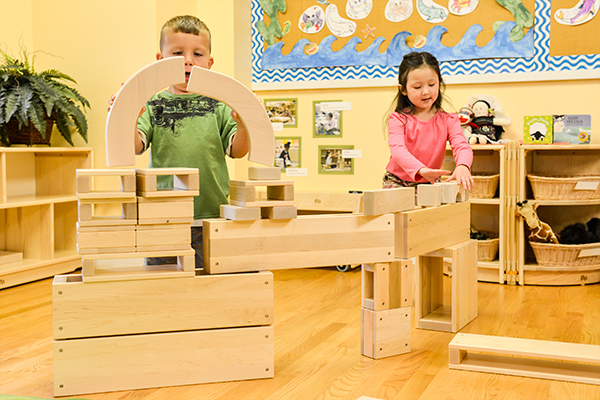
- Build and knock down: Use large, toddler-safe blocks to make towers together. Your child can practise stacking, sorting and problem-solving.
- Sing and move: Put on a favourite song and clap, march or dance. Action songs are a fun way to build coordination and learn new words.
- Explore textures: Offer safe objects with different textures, such as a soft blanket, a smooth wooden spoon or a bumpy ball. Stay close and supervise, especially if your child is still likely to put objects in their mouth.
- Play pretend: Toy food, dolls, vehicles and household objects can inspire imaginative games. Join in if your toddler invites you, but let them lead the story.
- Enjoy books together: Look at pictures, name familiar objects and make up sounds. There is no need to read every word—talking about the pictures is valuable too.
- Get outside: A walk, a trip to the park or time in the garden can offer new things to notice, from leaves and puddles to birds and passing buses.
Follow your toddler’s lead
Toddlers learn best when they are interested and involved. Offer a few simple choices, watch what captures your child’s attention and give them time to explore. Repeating the same game can be enjoyable and reassuring; it also gives toddlers a chance to practise skills and notice something new each time.
Play does not need to be elaborate or expensive. Everyday activities—sorting socks, stirring a bowl with an adult or helping to put toys away—can become playful learning moments. The most important ingredients are time, encouragement and a safe space to explore.
Keeping play safe
Choose toys and activities that suit your toddler’s age and stage, and check toys regularly for loose or damaged parts. Keep small objects, button batteries, magnets, hot drinks and other hazards out of reach. Always supervise water play and outdoor activities, and follow the safety guidance provided with toys and equipment.
Every toddler develops differently, and there is no single right way to play. By making room for curiosity, movement and imagination, families can help little ones enjoy the simple pleasure of discovering the world through play.
Encouraging Play: 5 Tips for Engaging with Toddlers
- Let toddlers lead the play.
- Offer safe toys in different textures.
- Join in, but leave room to explore.
- Keep play sessions short and flexible.
- Praise effort, not just results.
Let toddlers lead the play.
Letting toddlers lead the play gives them the freedom to explore what interests them and build confidence in their own ideas. Follow their cues, join in when invited and give them time to experiment, rather than directing every step. A simple toy might become part of an imaginative game, and repeating an activity can help your toddler practise new skills. Your attention and encouragement matter more than having a plan.
Offer safe toys in different textures.
Offer your toddler a selection of safe toys with different textures, such as soft fabric, smooth wood and bumpy silicone. Exploring how each one feels can spark curiosity and support sensory development. Choose age-appropriate items with no small or loose parts, and supervise play—particularly if your toddler still puts toys in their mouth.
Join in, but leave room to explore.
Join in with your toddler’s play by showing interest, responding to their ideas and adding the occasional suggestion, but try not to take over. Let them choose what to do and explore in their own way—even if that means stacking the same blocks again or turning a simple game into something unexpected. This balance helps your toddler feel supported while building confidence, creativity and independence.
Keep play sessions short and flexible.
Keep play sessions short and flexible, as toddlers’ attention and energy can change quickly. A few minutes of building, singing or pretend play can be plenty, and it is fine to switch activities when your child loses interest. Follow their lead, allow time for breaks and remember that everyday moments can be playful too.
Praise effort, not just results.
Praise your toddler’s effort as well as what they achieve. Noticing their persistence—“You kept trying to fit the pieces together”—helps them feel proud of having a go, even when something is tricky or doesn’t work out first time. This can build confidence, encourage curiosity and help them enjoy learning through play, without feeling they have to get everything right.