How to Choose the Perfect Vintage Nursery Chair for Your Child’s Room
Vintage Nursery Chairs: A Timeless Touch for Your Child’s Room
A vintage nursery chair can bring warmth, character and a sense of history to a child’s room. From a gently worn wooden rocker to a mid-century armchair, the right piece can make a nursery feel personal and inviting. But when choosing a vintage chair, it’s important to balance its looks with comfort, condition and safety.
Why choose a vintage nursery chair?
Vintage furniture often has distinctive details that are hard to find in modern designs: turned wooden legs, curved arms, decorative stitching or beautifully aged finishes. A pre-loved chair can also be a more sustainable choice, giving an existing piece of furniture a new home rather than buying new.
Many nursery chairs are chosen for feeding, reading stories or settling a little one to sleep. A vintage chair can suit these quiet routines especially well, provided it is comfortable, stable and in good repair. It may also continue to be useful as your child grows, becoming a cosy reading chair or an accent piece elsewhere in the home.
Popular styles to look for
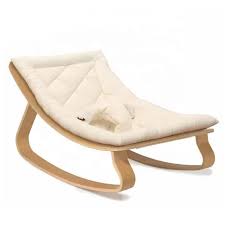
- Wooden rocking chairs: Classic and gently soothing, these can work well in a nursery when they are sturdy and rock smoothly.
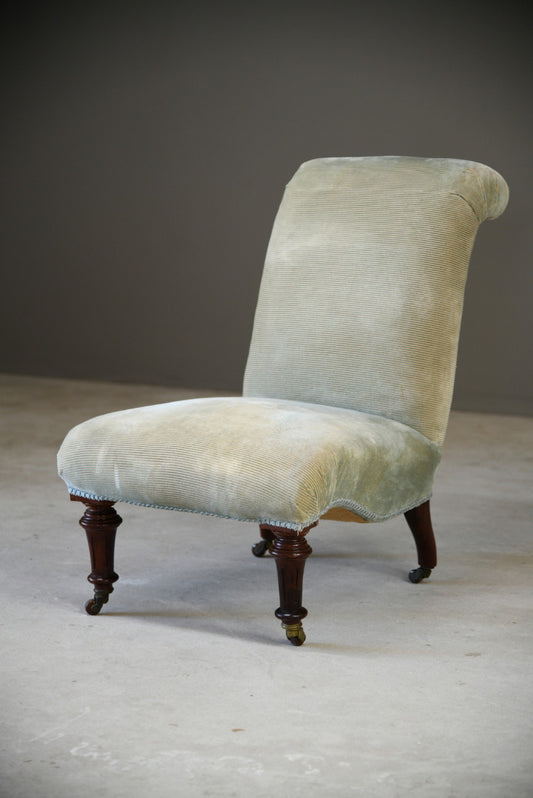
- Upholstered armchairs: A padded seat and supportive arms can make longer periods of sitting more comfortable.
- Mid-century chairs: Known for their clean lines and compact shapes, these can be a good option where floor space is limited.
- Wicker or cane chairs: These bring a light, natural look, although they should be checked carefully for loose strands, sharp edges and structural damage.
What to check before buying
Inspect the chair in person where possible. Check that it stands evenly, does not wobble and has no loose joints, cracks or sharp edges. On a rocking chair, make sure the runners are secure and that the movement is smooth. Look underneath the seat as well as at the visible surfaces, since wear and repairs may be less obvious there.
Upholstered pieces need particular attention. Ask about the chair’s age and history, and check for persistent odours, dampness, stains or signs of pests. If the fabric is damaged or difficult to clean, professional reupholstery may be worth considering. Older finishes and materials can also require specialist advice before sanding, stripping or repainting.
Safety and comfort in the nursery
A vintage nursery chair should be treated as adult seating, not as a baby seat. Always hold your baby while feeding or cuddling, and never leave a baby unattended on a chair. Avoid placing the chair near blind cords, heaters, windows or objects a child could pull down. Keep rocking-chair runners clear of little fingers and toes, and supervise young children around moving parts.
Try the chair before buying it if you can. Consider whether the seat height, back support and armrests suit the way you plan to use it. A cushion can add comfort, but make sure it sits securely and does not make the chair unstable.
Styling a vintage chair
A vintage chair can become a focal point without overwhelming the room. Pair a wooden chair with soft, washable textiles, or use a simple throw to complement an upholstered design. A small lamp and side table nearby can create a practical corner for feeding or bedtime stories. Keep the area uncluttered so there is room to move around safely.
When choosing colours, consider how the chair will work with the rest of the nursery. Natural wood and muted fabrics suit a calm, timeless scheme, while a brighter cushion can add a playful accent. For a more individual look, combine the chair with contemporary storage or lighting rather than trying to make every piece match.
A characterful choice for years to come
With careful selection, a vintage nursery chair can be both a practical place to sit and a beautiful piece to keep for years. Prioritise sound construction, comfort and safe placement, then choose a style you’ll be happy to live with beyond the nursery. The result is a thoughtful addition that brings lasting character to a much-loved space.
5 Essential Tips for Ensuring Safety and Comfort with Vintage Nursery Chairs
- Check the chair is sturdy and doesn’t wobble.
- Inspect joints, screws and any signs of woodworm.
- Keep vintage chairs away from stairs and windows.
- Test old paint for lead before sanding or repainting.
- Add a firm cushion that fits securely.
Check the chair is sturdy and doesn’t wobble.
Before choosing a vintage nursery chair, give it a careful check to make sure it feels sturdy and doesn’t wobble. Gently test the frame, legs and joints, and look for cracks, loose screws or signs of previous repairs. A stable chair is more comfortable to use and less likely to tip or shift during everyday use.
Inspect joints, screws and any signs of woodworm.
Before buying a vintage nursery chair, carefully inspect its joints and screws to make sure they are secure and the frame feels sturdy, with no wobbling or loose parts. Check the wood for tiny holes or fine, powdery dust, which may indicate woodworm. If you spot signs of damage or infestation, ask a furniture-restoration specialist for advice before bringing the chair into your home.
Keep vintage chairs away from stairs and windows.
Keep vintage nursery chairs well away from stairs and windows to reduce the risk of falls and other accidents. Children may try to climb on the chair or move it, so place it on a stable, level surface where it cannot be used to reach a window, blind cords or other hazards.
Test old paint for lead before sanding or repainting.
Before sanding or repainting a vintage nursery chair, have any old paint tested for lead. Sanding can release hazardous dust, so avoid disturbing the finish until you know it is safe. If lead is present or you are unsure, seek advice from a qualified professional about safe removal or sealing, and keep children away from the work area.
Add a firm cushion that fits securely.
Add a firm cushion that fits the chair securely to make sitting more comfortable without compromising stability. Check that it stays in place when you sit down or stand up, and avoid loose ties or excess fabric that could become a hazard around your baby. Choose a washable cover for easy cleaning, and remove the cushion whenever it is not needed.