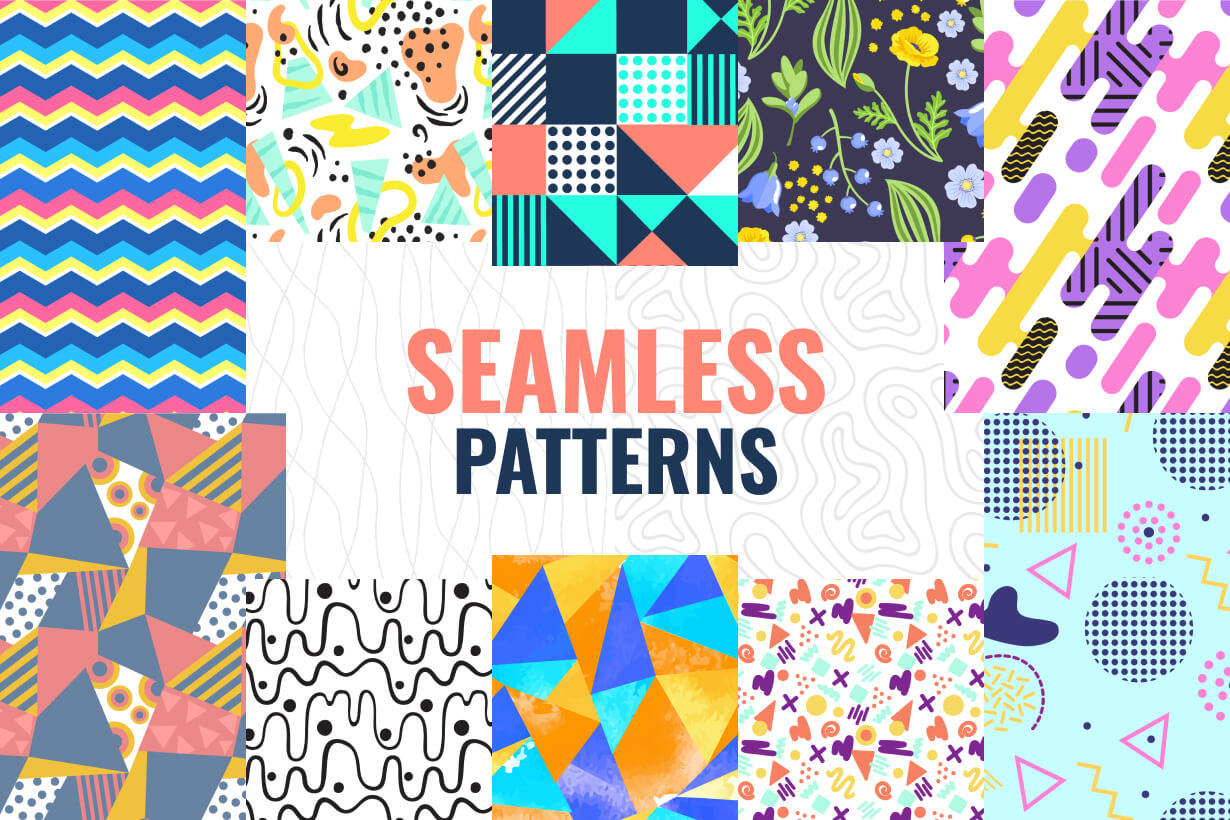
Exploring the Enchanting World of Patterns
The Beauty of Patterns
Patterns are all around us, from the intricate designs on a butterfly’s wings to the geometric shapes in a snowflake. They are not just visually appealing, but they also play a crucial role in nature, art, mathematics, and even our daily lives.
In nature, patterns can be found everywhere you look. The stripes on a zebra, the spots on a leopard, and the rings of a tree trunk are all examples of patterns that serve different purposes. These patterns help animals blend into their surroundings, communicate with each other, or even protect themselves from predators.
Artists have long been inspired by patterns and use them to create stunning works of art. Whether it’s the intricate mosaics of ancient civilizations or the bold geometric shapes of modern art, patterns add depth and interest to any piece. They can evoke emotions, tell stories, or simply captivate the viewer’s imagination.
In mathematics, patterns play a fundamental role in understanding complex concepts. From simple repeating sequences to more intricate fractals, patterns help mathematicians make sense of the world around them. They provide a framework for problem-solving and can lead to groundbreaking discoveries.
Even in our daily lives, we rely on patterns to navigate our way through the world. From recognising familiar faces to following traffic signals, our brains are constantly processing patterns to make sense of our environment. Patterns help us predict outcomes, form habits, and make decisions quickly and efficiently.
So next time you see a pattern – whether it’s in nature, art, mathematics or your daily life – take a moment to appreciate its beauty and complexity. Patterns are not just shapes or colours; they are symbols of order and harmony that connect us to the world around us.
Five Essential Tips for Mastering Pattern Design
- When working with patterns, start by identifying the repeating elements or motifs.
- Consider the scale of the pattern – whether it works best on a small or large surface.
- Experiment with different colour schemes to see how they affect the overall look of the pattern.
- Mixing different types of patterns can create an interesting and dynamic visual effect.
- Don’t be afraid to play around with symmetry and asymmetry in your patterns for a unique design.
When working with patterns, start by identifying the repeating elements or motifs.
When delving into the world of patterns, a helpful tip is to begin by identifying the recurring elements or motifs present. By recognising these repeating components, whether they are shapes, colours, or symbols, you can better understand the structure and rhythm of the pattern. This initial step not only aids in deciphering the pattern’s complexity but also allows for a deeper appreciation of the intricacies and nuances within it.
Consider the scale of the pattern – whether it works best on a small or large surface.
When choosing a pattern for your space, it’s important to consider the scale of the design and how it will interact with the size of the surface. Some patterns work best on smaller surfaces, adding intricate detail and visual interest without overwhelming the space. On the other hand, larger patterns can make a bold statement on bigger surfaces, creating a sense of drama and impact. By matching the scale of the pattern to the size of the surface, you can ensure a harmonious and balanced look that enhances the overall aesthetic of your space.
Experiment with different colour schemes to see how they affect the overall look of the pattern.
When exploring patterns, a fun and creative tip is to experiment with different colour schemes to observe how they impact the overall look of the design. By changing colours, you can evoke various moods, highlight specific elements, or create a completely different visual effect. Playing with colour schemes adds depth and dimension to patterns, allowing you to unleash your artistic flair and discover endless possibilities for unique and captivating designs.
Mixing different types of patterns can create an interesting and dynamic visual effect.
Mixing different types of patterns can create an interesting and dynamic visual effect. By combining stripes with florals, or geometric shapes with polka dots, you can add depth and personality to your surroundings. The key is to balance the patterns in terms of scale, colour, and texture to ensure they complement each other harmoniously. Don’t be afraid to experiment and have fun with mixing patterns – it’s a great way to express your creativity and make a bold statement in any space.
Don’t be afraid to play around with symmetry and asymmetry in your patterns for a unique design.
When exploring patterns, don’t hesitate to experiment with both symmetry and asymmetry to create a truly distinctive design. By combining balanced elements with unexpected twists, you can achieve a unique and visually engaging pattern that captures attention and sparks creativity. Embracing the interplay between order and spontaneity in your designs can lead to exciting outcomes that stand out and make a lasting impression. So, let your imagination run free and dare to blend symmetry and asymmetry for a fresh take on traditional patterns.