Exploring the Wonders of Sensory Play: Engaging Children’s Senses for Development
The Benefits of Sensory Play for Children
Sensory play is a crucial aspect of early childhood development that engages children’s senses through various activities and materials. This type of play involves stimulating touch, smell, taste, sight, and hearing, allowing children to explore and learn in a hands-on way.
There are numerous benefits to incorporating sensory play into a child’s routine. One key advantage is the promotion of cognitive development. By engaging multiple senses simultaneously, sensory play helps children build neural connections in the brain, enhancing their ability to problem-solve, think critically, and make sense of the world around them.
Furthermore, sensory play promotes language development as children engage in conversations about what they are experiencing. It also encourages social skills as they interact with others during collaborative sensory activities.
Another significant benefit of sensory play is its positive impact on fine and gross motor skills. Activities such as pouring, scooping, and stacking help children develop hand-eye coordination and muscle control. Sensory play also supports emotional regulation by providing a calming outlet for children to express themselves and manage stress.
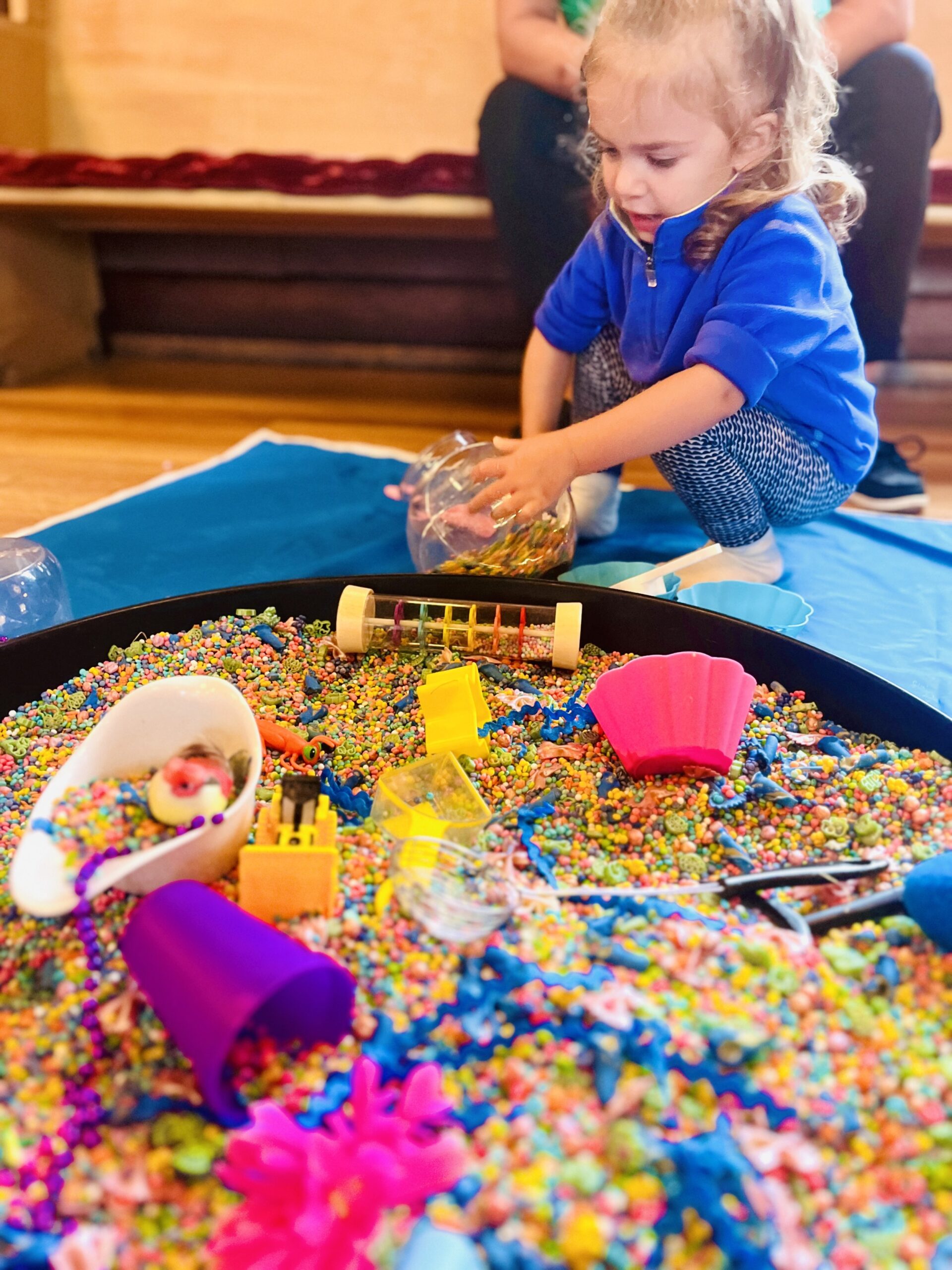
From exploring different textures like sand and water to experimenting with scents and colours, sensory play offers endless opportunities for learning and growth. Whether it’s playing with slime, digging in a sensory bin filled with rice or beans, or creating art with finger paints, children can engage their senses in a fun and educational way.
As caregivers and educators, incorporating sensory play into daily routines can have a profound impact on a child’s overall development. By providing opportunities for hands-on exploration and discovery, we can help children thrive both academically and emotionally.
So next time you’re looking for an engaging activity for your child, consider the many benefits of sensory play – it’s not just fun; it’s essential for their growth and well-being.
Engaging Sensory Play: 8 Tips for a Multi-Sensory Experience
- Use a variety of textures like sand, water beads, and playdough to engage different senses.
- Incorporate scents such as vanilla or lavender to add another dimension to sensory play.
- Include items with different temperatures like cold ice or warm rice for tactile experiences.
- Encourage exploration by providing tools like spoons, funnels, and brushes for hands-on activities.
- Create themed sensory bins based on seasons or interests to make play more engaging.
- Allow children to freely explore and experiment with materials without strict rules or instructions.
- Supervise closely to ensure safety, especially with small items that could be choking hazards.
- Provide opportunities for messy play but also establish boundaries for cleanup afterwards.
Use a variety of textures like sand, water beads, and playdough to engage different senses.
Incorporating a variety of textures such as sand, water beads, and playdough into sensory play activities is a fantastic way to engage different senses and promote holistic development in children. Each texture offers a unique sensory experience, stimulating touch, sight, and even sound in some cases. By providing children with opportunities to explore these diverse textures, caregivers and educators can encourage sensory exploration, creativity, and cognitive development in a fun and interactive manner.
Incorporate scents such as vanilla or lavender to add another dimension to sensory play.
By incorporating scents like vanilla or lavender into sensory play activities, children can experience a whole new dimension of exploration. The calming and familiar aromas of these scents can evoke positive emotions and memories, enhancing the sensory experience and creating a multi-sensory environment that stimulates both the mind and body. Whether it’s adding a few drops of essential oil to playdough or creating scented sensory bins, introducing pleasant scents can engage children’s sense of smell, further enriching their playtime and fostering a deeper connection to the world around them.
Include items with different temperatures like cold ice or warm rice for tactile experiences.
Incorporating items with different temperatures, such as cold ice or warm rice, into sensory play activities can provide children with a diverse range of tactile experiences. Exploring these contrasting sensations not only engages their sense of touch but also encourages them to understand and appreciate the differences in temperature. This type of sensory play can be both stimulating and educational, helping children develop their sensory awareness and fine motor skills while having fun with hands-on exploration.
Encourage exploration by providing tools like spoons, funnels, and brushes for hands-on activities.
Encouraging exploration through sensory play can be greatly enhanced by providing children with tools such as spoons, funnels, and brushes for hands-on activities. These simple yet versatile tools not only add an element of excitement to the play experience but also help children engage their senses in a more interactive and creative way. By offering a variety of tools, children can experiment with different textures, shapes, and movements, stimulating their curiosity and fostering a deeper understanding of the world around them.
Create themed sensory bins based on seasons or interests to make play more engaging.
Creating themed sensory bins based on seasons or interests is a fantastic way to enhance the sensory play experience for children. By incorporating elements that reflect specific themes like winter wonderlands, ocean adventures, or jungle explorations, children are not only engaged in tactile exploration but also immersed in a world of imagination and creativity. These themed sensory bins provide a multi-sensory experience that sparks curiosity and encourages storytelling, making playtime more interactive and enjoyable for young learners.
Allow children to freely explore and experiment with materials without strict rules or instructions.
Encouraging children to freely explore and experiment with sensory materials without strict rules or instructions is a wonderful way to foster creativity, curiosity, and independence. By giving them the freedom to manipulate and interact with different textures, scents, and colours in their own unique way, children can engage their senses fully and develop a deeper understanding of the world around them. This open-ended approach to sensory play not only sparks imagination but also promotes self-discovery and confidence as children navigate their own learning experiences.
Supervise closely to ensure safety, especially with small items that could be choking hazards.
When engaging in sensory play activities with children, it is crucial to supervise closely to ensure their safety, particularly when using small items that could pose a choking hazard. By closely monitoring children during sensory play, caregivers can prevent accidents and provide a secure environment for exploration and learning. Always be vigilant and ready to intervene if needed to keep the play experience both enjoyable and safe for all participants.
Provide opportunities for messy play but also establish boundaries for cleanup afterwards.
When incorporating sensory play activities that involve messiness, it’s important to provide children with opportunities to explore and engage freely, but also to establish clear boundaries for cleanup afterwards. Allowing children to get messy during play fosters creativity and sensory exploration, but teaching them the importance of tidying up afterwards instils responsibility and good habits. By setting expectations for cleaning up after sensory play sessions, children learn valuable life skills while still enjoying the benefits of hands-on learning experiences.