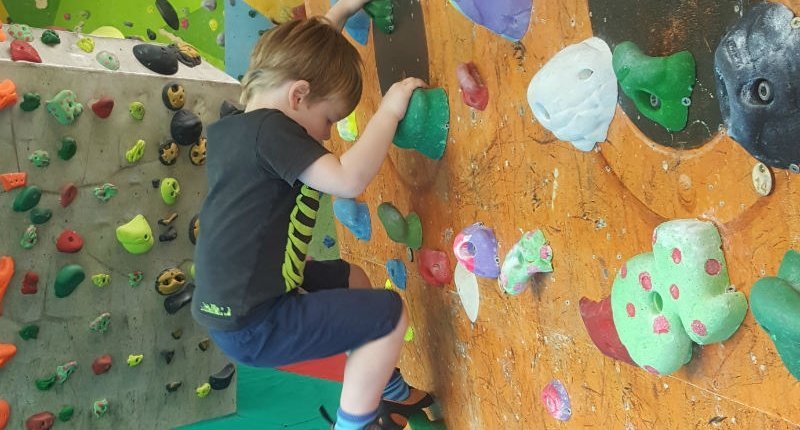
Exploring the Thrills and Skills of Children’s Climbing Adventures
The Benefits of Children’s Climbing Activities
Children’s climbing activities offer a range of physical, mental, and emotional benefits that contribute to their overall development. Climbing is not only a fun and exciting activity for children but also a great way to promote health and well-being.
Physical Development
Climbing helps children develop strength, coordination, and balance. It engages various muscle groups and promotes gross motor skills. As children navigate climbing walls or structures, they improve their agility and flexibility, leading to better overall physical fitness.
Mental Stimulation
Climbing requires problem-solving skills as children figure out the best routes to reach the top. It also enhances spatial awareness and decision-making abilities. By challenging themselves to overcome obstacles, children build resilience and self-confidence.
Emotional Well-Being
Climbing can boost children’s self-esteem as they set goals and achieve new heights. Overcoming fears and pushing personal boundaries in a safe environment can instil a sense of accomplishment and empowerment. Additionally, the thrill of reaching the summit can create feelings of joy and excitement.
Social Interaction
Children’s climbing activities often involve teamwork, communication, and cooperation. Encouraging each other, sharing tips, or cheering on friends can foster positive social interactions among peers. Climbing together can also create bonds based on trust and mutual support.
Safety Considerations
While climbing is beneficial for children, safety should always be a top priority. Supervision by trained staff members, appropriate safety equipment, and clear guidelines for climbers are essential to ensure a secure environment for all participants.
In conclusion, children’s climbing activities offer a holistic approach to development by promoting physical fitness, mental stimulation, emotional well-being, and social interaction. Whether indoors at a climbing gym or outdoors on natural rock formations, climbing provides valuable experiences that contribute to a child’s growth and happiness.
8 Essential Tips for Safely Introducing Children to Climbing
- Ensure proper supervision at all times.
- Teach children how to properly use climbing equipment.
- Start with easy climbs and gradually progress to more difficult ones.
- Encourage and praise their efforts, regardless of success.
- Emphasize the importance of safety measures such as wearing helmets and harnesses.
- Teach them basic climbing techniques like foot placement and hand grips.
- Stay patient and provide support as they build their confidence in climbing.
- Make sure the climbing area is free from hazards before letting children climb.
Ensure proper supervision at all times.
It is crucial to ensure proper supervision at all times during children’s climbing activities. Supervision by trained staff members or responsible adults helps maintain a safe environment and prevent accidents. Supervisors can provide guidance, assistance, and immediate intervention if needed, ensuring that children follow safety protocols and use equipment correctly. By having vigilant supervision in place, parents can have peace of mind knowing that their children are protected while enjoying the benefits of climbing.
Teach children how to properly use climbing equipment.
It is crucial to teach children how to properly use climbing equipment to ensure their safety and enjoyment during climbing activities. By providing clear instructions on how to use harnesses, ropes, carabiners, and other gear, children can learn the importance of proper equipment handling and maintenance. Teaching them the correct techniques for securing themselves while climbing and emphasising the significance of checking equipment before each climb instils a sense of responsibility and awareness. With proper guidance and supervision, children can develop essential skills that will not only enhance their climbing experience but also promote a culture of safety and respect for the sport.
Start with easy climbs and gradually progress to more difficult ones.
When introducing children to climbing activities, it is important to start with easy climbs and gradually progress to more difficult ones. Beginning with simpler routes allows children to build confidence, develop basic climbing skills, and familiarise themselves with the climbing environment. As they gain experience and proficiency, they can then challenge themselves with more complex climbs, pushing their limits and honing their abilities. This gradual progression not only enhances their physical capabilities but also nurtures a sense of achievement and determination as they conquer new challenges in their climbing journey.
Encourage and praise their efforts, regardless of success.
Encouraging and praising children’s efforts in climbing, regardless of the outcome, is crucial for fostering a positive attitude towards challenges and learning. By acknowledging their perseverance, determination, and courage, children feel supported and motivated to keep trying, even if they face obstacles or setbacks. This approach helps build their self-confidence and resilience, teaching them that the journey of growth and improvement is just as important as reaching the top.
Emphasize the importance of safety measures such as wearing helmets and harnesses.
It is crucial to highlight the significance of safety measures, such as wearing helmets and harnesses, when engaging in children’s climbing activities. These protective gear items play a vital role in ensuring the well-being and security of young climbers. Helmets help safeguard against head injuries in case of falls or collisions, while harnesses provide additional support and prevent dangerous falls. By prioritising the use of safety equipment, parents and caregivers can instil good safety habits in children from a young age, promoting a culture of responsible climbing practices that prioritise protection and enjoyment simultaneously.
Teach them basic climbing techniques like foot placement and hand grips.
To enhance children’s climbing skills and ensure their safety, it is important to teach them basic climbing techniques such as proper foot placement and hand grips. By mastering these fundamental skills, children can improve their balance, stability, and overall climbing efficiency. Teaching children the correct way to position their feet and hands not only helps them ascend more effectively but also instils good habits that promote safe climbing practices. Encouraging children to practice these techniques will not only enhance their climbing abilities but also boost their confidence as they navigate climbing walls or structures with greater skill and control.
Stay patient and provide support as they build their confidence in climbing.
When it comes to children’s climbing, staying patient and offering support are key elements in helping them build their confidence in this activity. Encouraging children to take on new challenges at their own pace, providing guidance when needed, and celebrating their progress can create a positive environment where they feel empowered to overcome obstacles and reach new heights. By showing patience and offering a helping hand when necessary, caregivers can instil a sense of trust and encouragement that will boost children’s confidence as they navigate the climbing experience.
Make sure the climbing area is free from hazards before letting children climb.
Before allowing children to engage in climbing activities, it is crucial to ensure that the climbing area is free from hazards. Checking the environment for any potential dangers such as loose rocks, sharp edges, or unstable structures can help prevent accidents and injuries. By creating a safe and secure climbing space, children can fully enjoy their climbing experience with peace of mind, allowing them to focus on developing their physical skills and confidence in a risk-free setting.