Unlocking Potential: The Impact of Developmental Games on Children’s Growth
The Power of Developmental Games for Children
Developmental games play a crucial role in shaping a child’s growth and learning journey. These games are specifically designed to stimulate various aspects of a child’s development, including cognitive, social, emotional, and physical skills.
One of the key benefits of developmental games is their ability to engage children in fun and interactive activities while also promoting learning. Through play, children can enhance their problem-solving abilities, critical thinking skills, creativity, and imagination.
Moreover, developmental games help children develop important social skills such as teamwork, communication, and empathy. By playing with others, children learn how to interact effectively, resolve conflicts, and build relationships.
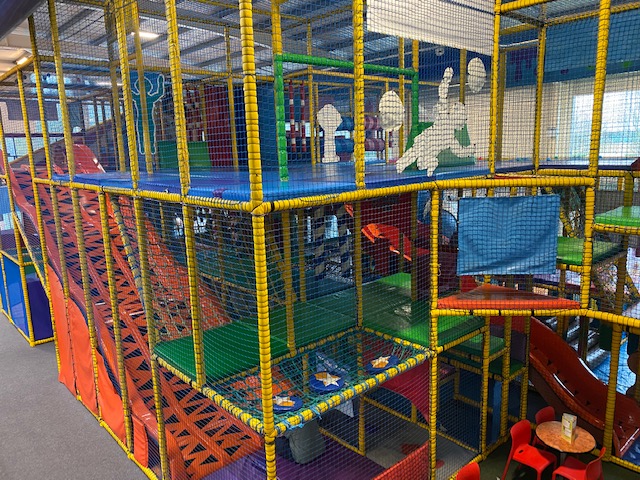
Physical development is another area that is greatly influenced by developmental games. Activities that involve movement and coordination help children improve their motor skills, balance, and overall physical fitness.
It is essential for parents and caregivers to incorporate developmental games into a child’s daily routine to support their holistic development. By providing a variety of games that challenge different aspects of development, parents can create a rich learning environment for their children.
From puzzles and memory games to outdoor activities and creative projects, there are countless options available to engage children in meaningful play that promotes growth and learning.
In conclusion, developmental games are not just about having fun; they are powerful tools that can shape a child’s future by fostering essential skills and abilities. By encouraging children to play and explore through these games, we can help them reach their full potential and thrive in all areas of life.
Enhancing Child Development: Six Tips for Choosing Effective Developmental Games
- Choose age-appropriate games to support the child’s development.
- Encourage problem-solving skills through interactive games and puzzles.
- Promote creativity by engaging in open-ended games that allow for imagination.
- Include physical activities in developmental games to enhance motor skills.
- Use educational games to facilitate learning of various subjects in a fun way.
- Limit screen time and ensure a balance between digital and traditional developmental activities.
Choose age-appropriate games to support the child’s development.
Selecting age-appropriate games is essential in nurturing a child’s development. By choosing games that align with a child’s age and developmental stage, parents and caregivers can provide opportunities for targeted learning and growth. Age-appropriate games are designed to challenge children at the right level, helping them build skills progressively and feel a sense of accomplishment. These games cater to a child’s cognitive abilities, motor skills, social interactions, and emotional understanding, ensuring that the learning experience is engaging and beneficial. By selecting games that are suitable for their age, children can maximise their developmental potential and enjoy a fulfilling playtime experience.
Encourage problem-solving skills through interactive games and puzzles.
Encouraging problem-solving skills through interactive games and puzzles is a fantastic way to engage children in critical thinking and cognitive development. By presenting challenges that require logical reasoning and creative solutions, children can enhance their ability to analyse situations, think strategically, and overcome obstacles. These activities not only provide a fun and stimulating experience but also lay the foundation for developing essential problem-solving skills that will benefit children throughout their lives.
Promote creativity by engaging in open-ended games that allow for imagination.
To promote creativity in children, it is beneficial to engage them in open-ended games that encourage imagination and exploration. By participating in activities that have no predetermined outcome or set rules, children are free to express themselves creatively, think outside the box, and invent new possibilities. These types of games stimulate innovation, problem-solving skills, and artistic expression, fostering a sense of freedom and empowerment in children’s play experiences.
Include physical activities in developmental games to enhance motor skills.
Including physical activities in developmental games is a fantastic way to enhance children’s motor skills. By engaging in games that involve movement, coordination, and physical challenges, children can improve their balance, strength, and overall physical fitness. These activities not only promote healthy development but also provide a fun and interactive way for children to learn and grow. Whether it’s running, jumping, or balancing, incorporating physical elements into games adds an extra dimension of excitement and encourages children to be active while honing their motor skills.
Use educational games to facilitate learning of various subjects in a fun way.
Using educational games is a fantastic way to make learning different subjects enjoyable and engaging for children. By incorporating educational games into their playtime, children can explore and understand various topics in a fun and interactive manner. These games not only help improve their knowledge but also enhance their problem-solving skills, critical thinking abilities, and creativity. By turning learning into a game, children are more likely to stay motivated and interested in the subject matter, leading to a deeper understanding and retention of information.
Limit screen time and ensure a balance between digital and traditional developmental activities.
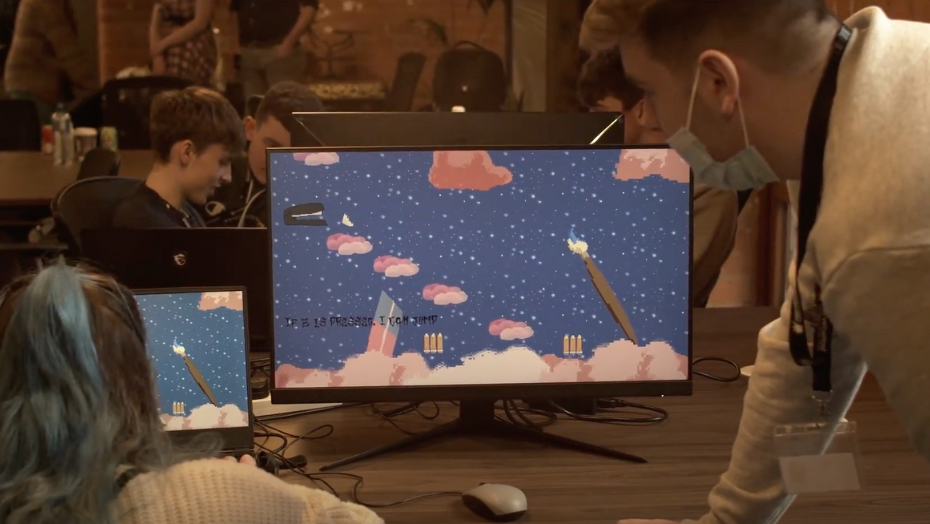
Limiting screen time and maintaining a balance between digital and traditional developmental activities is crucial in promoting healthy growth and learning for children. While digital games can offer interactive and engaging experiences, it’s important not to overlook the benefits of hands-on, real-world activities that stimulate creativity, social skills, and physical development. By setting boundaries on screen time and encouraging a mix of both digital and traditional games, parents can ensure that their children receive a well-rounded developmental experience that nurtures all aspects of their growth.