Exploring the World of Sporting Activities: A Journey to Physical and Mental Wellness
The Benefits of Sporting Activities for Children
Sporting activities play a crucial role in the physical, mental, and emotional development of children. Engaging in sports from a young age not only promotes a healthy lifestyle but also teaches valuable life skills that can benefit them throughout their lives.
Physical Health
Participating in sports helps children stay active and maintain a healthy weight. It improves cardiovascular health, builds strength and endurance, and enhances coordination and motor skills. Regular physical activity through sports also reduces the risk of obesity, diabetes, and other health issues.
Mental Well-being
Playing sports boosts children’s self-esteem and confidence. It teaches them the importance of goal-setting, perseverance, and teamwork. Sports also provide an outlet for stress relief and help children develop resilience in the face of challenges.
Social Skills
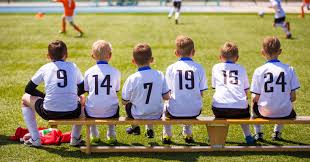
Team sports promote social interaction and communication skills. Children learn how to work collaboratively towards a common goal, resolve conflicts, and build friendships. Sports foster a sense of belonging and camaraderie among teammates, teaching children valuable lessons in cooperation and sportsmanship.
Life Lessons
Through sporting activities, children learn essential life lessons such as discipline, time management, and leadership. They understand the importance of practice, commitment, and fair play. Sports instil values like respect for opponents, following rules, and accepting both victory and defeat graciously.
Diversity of Choices
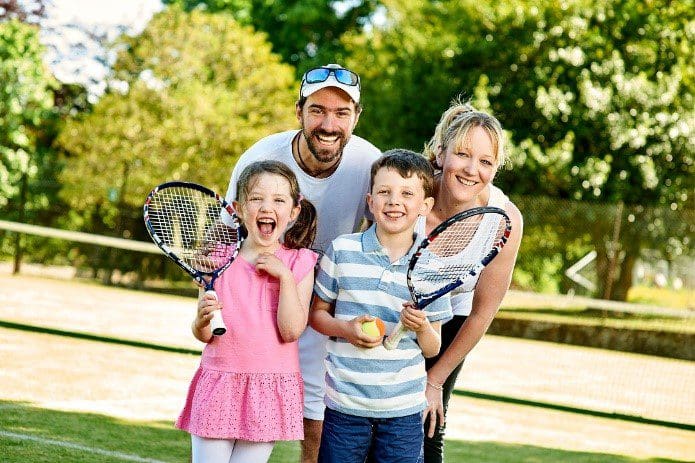
There is a wide variety of sporting activities available for children to explore based on their interests and abilities. From team sports like football, basketball, and volleyball to individual pursuits like swimming, gymnastics, or martial arts – every child can find a sport that resonates with them.
Conclusion
Sporting activities offer numerous benefits that contribute to the holistic development of children. Whether it’s improving physical health, enhancing mental well-being or fostering social skills – engaging in sports is an enriching experience that shapes children into well-rounded individuals.
9 Essential Tips for Safe and Effective Sporting Activities
- Always warm up before starting any sporting activity.
- Stay hydrated by drinking water before, during, and after your workout.
- Wear appropriate clothing and footwear for the specific sport you are participating in.
- Listen to your body and rest when needed to prevent injuries.
- Incorporate a variety of exercises to work different muscle groups and prevent boredom.
- Set realistic goals and track your progress to stay motivated.
- Don’t forget to cool down after your workout to help reduce muscle soreness.
- Practice good sportsmanship and respect your fellow athletes.
- Consult with a professional trainer or coach for guidance on technique and training plans.
Always warm up before starting any sporting activity.
It is essential to always warm up before starting any sporting activity. A proper warm-up routine helps prepare the body for exercise by increasing blood flow to the muscles, loosening joints, and raising the heart rate gradually. This not only reduces the risk of injury but also enhances performance during the activity. Warming up primes the body for physical exertion and allows muscles to work more efficiently, leading to a more effective and enjoyable sports experience. Remember, taking a few minutes to warm up can make a significant difference in your overall well-being and performance on the field or court.
Stay hydrated by drinking water before, during, and after your workout.
Staying hydrated is essential for optimal performance during sporting activities. It is important to drink water before, during, and after your workout to replenish fluids lost through sweat and keep your body functioning at its best. Proper hydration helps regulate body temperature, maintain energy levels, and prevent dehydration-related issues such as fatigue and muscle cramps. Remember to make hydrating a priority to support your overall well-being and get the most out of your physical activities.
Wear appropriate clothing and footwear for the specific sport you are participating in.
It is essential to wear appropriate clothing and footwear when engaging in sporting activities. Choosing the right attire for the specific sport you are participating in can enhance your performance, prevent injuries, and ensure comfort throughout the activity. Properly fitting sports gear and shoes provide support, stability, and protection, allowing you to move freely and safely. By wearing the correct clothing and footwear designed for your chosen sport, you can maximise your potential and enjoy a more rewarding sporting experience.
Listen to your body and rest when needed to prevent injuries.
Listening to your body and knowing when to rest is a crucial tip in preventing injuries during sporting activities. It’s important to pay attention to any signs of fatigue, pain, or discomfort that your body may be signalling. Resting when needed allows your muscles and joints to recover and reduces the risk of overuse injuries. By prioritising rest and giving your body the time it needs to recuperate, you can ensure that you stay healthy and active in the long run.
Incorporate a variety of exercises to work different muscle groups and prevent boredom.
To maximise the benefits of sporting activities, it is essential to incorporate a variety of exercises that target different muscle groups. By engaging in diverse physical activities, children can ensure a well-rounded workout that challenges their bodies in various ways. Not only does this approach promote overall fitness and strength development, but it also helps prevent boredom by keeping the routine fresh and exciting. Switching up exercises regularly not only maintains interest but also allows children to discover new skills and abilities, making their sporting experience both enjoyable and rewarding.
Set realistic goals and track your progress to stay motivated.
Setting realistic goals and tracking your progress are essential strategies to stay motivated in sporting activities. By establishing achievable objectives, such as improving your running time or mastering a new skill in a sport, you give yourself something concrete to work towards. Tracking your progress allows you to see how far you’ve come and provides a sense of accomplishment, motivating you to keep pushing forward. Celebrating small victories along the way can boost your confidence and fuel your determination to reach even greater heights in your sporting pursuits.
Don’t forget to cool down after your workout to help reduce muscle soreness.
After completing your workout, it is essential not to overlook the importance of cooling down. Taking the time to cool down after physical activity can significantly aid in reducing muscle soreness. By gradually decreasing your heart rate and stretching your muscles, you allow your body to recover more effectively. Cooling down helps prevent stiffness and promotes flexibility, ensuring that you can continue to enjoy sporting activities with less discomfort and improved performance. Remember, a proper cool down is just as crucial as the workout itself for maintaining overall physical well-being.
Practice good sportsmanship and respect your fellow athletes.
Practicing good sportsmanship and showing respect towards your fellow athletes are essential aspects of participating in sporting activities. By displaying fairness, honesty, and kindness on and off the field, you not only uphold the values of sportsmanship but also contribute to a positive and inclusive sporting environment. Respect for opponents, teammates, coaches, and officials fosters mutual understanding and camaraderie, creating a sense of unity and sportsmanship that enhances the overall experience for everyone involved. Remember, in the world of sports, true victory lies in demonstrating respect and integrity towards others.
Consult with a professional trainer or coach for guidance on technique and training plans.
For those looking to excel in sporting activities, seeking guidance from a professional trainer or coach is invaluable. These experts can provide expert advice on proper technique, tailor training plans to individual needs, and offer motivation and support to help athletes reach their full potential. Working with a trainer or coach ensures that athletes receive personalised instruction and feedback, leading to improved performance and reduced risk of injury. By partnering with a professional in the field, individuals can enhance their skills, set achievable goals, and stay on track towards success in their chosen sport.