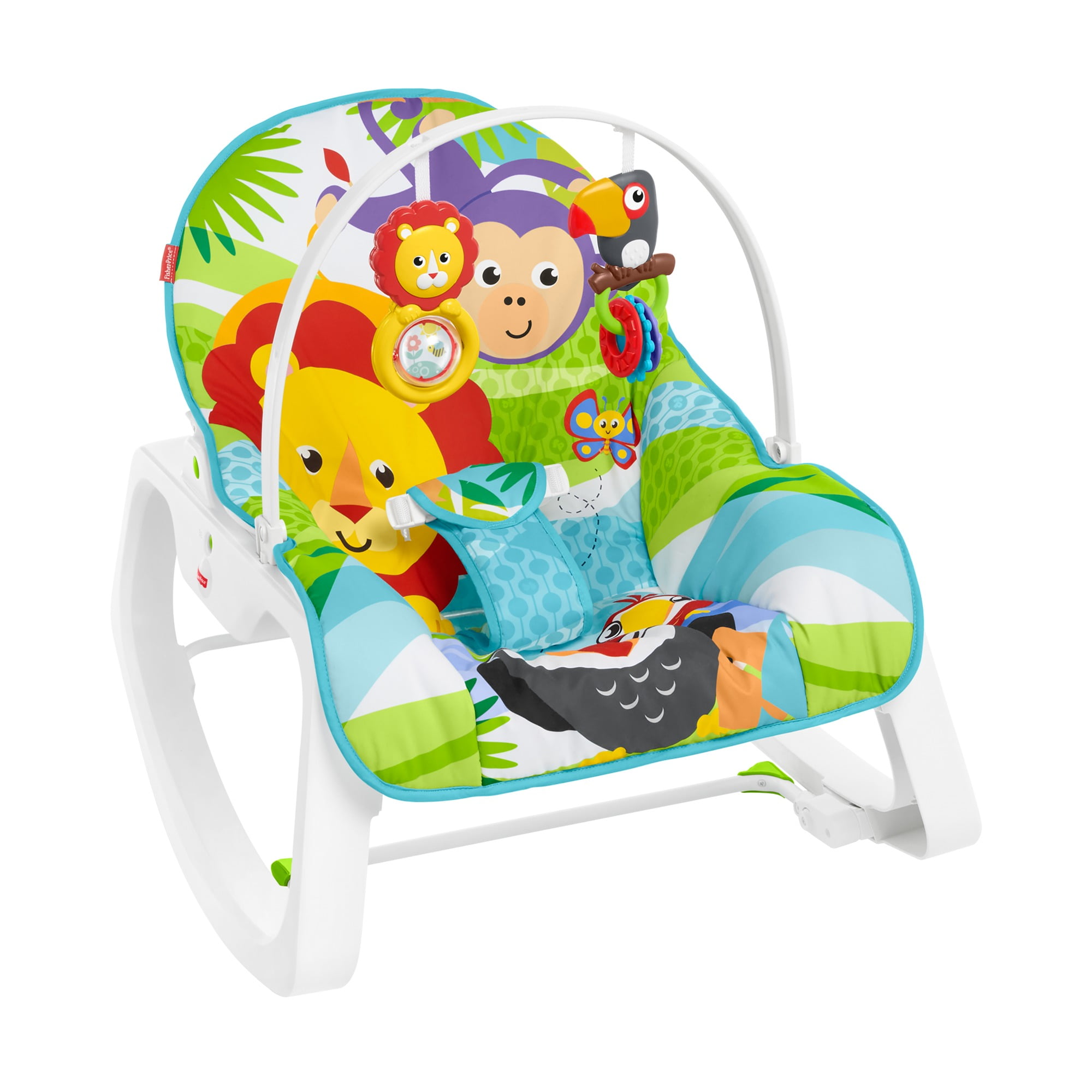
Toddler Rocker: A Guide to Safe, Imaginative Play
Toddler Rockers: A Gentle Way to Play
A toddler rocker can offer little ones a fun place to sit, sway and let their imaginations take over. Designed for young children, rockers come in a range of styles, from simple curved wooden seats to character-shaped toys and soft, padded designs. The right choice depends on your child’s age, abilities and interests, as well as the space available at home.
What is a toddler rocker?
A toddler rocker is a seat or toy that moves gently back and forth. Some models are designed for a child to sit on and rock independently, while others have handles, footrests or supportive backs. Rockers may be made from wood, plastic or fabric-covered materials, and some include extra features such as sounds or interactive details.
Always check the manufacturer’s guidance to make sure a rocker is suitable for your child’s age and stage. A product intended for an older toddler may not provide enough support for a younger child.
Why do toddlers enjoy rocking?
Rocking can make play feel active and engaging. Children may enjoy the gentle movement, the challenge of balancing or pretending that their rocker is a horse, boat or another favourite character. A rocker can also provide a simple opportunity for imaginative play away from screens.
As with any toy, the experience will vary from child to child. Some toddlers may take to rocking straight away, while others may prefer to watch or try it only with an adult nearby.
Choosing the right toddler rocker
Before buying a rocker, consider the following:
- Age and suitability: Follow the recommended age range and any guidance about your child’s ability to sit and balance.
- Weight limit: Check the maximum weight specified by the manufacturer and stop using the rocker if your child exceeds it.
- Stability: Look for a sturdy design with a broad, stable base and no sharp edges or easily accessible pinch points.
- Support and grip: Handles, a backrest or a footrest may help some children feel more secure, depending on the design.
- Materials and cleaning: Consider whether the surfaces can be wiped clean and whether fabric parts can be removed for washing.
- Space: Allow room for the rocker to move without striking walls, furniture or other toys.
- Interests: A simple design may suit a child who enjoys pretend play, while another may be drawn to a familiar animal or character.
Using a rocker safely
Place the rocker on a flat, clear surface and use it according to the instructions supplied. Stay close by while your toddler is playing, particularly if they are new to the toy. Encourage them to sit in the intended position, hold the handles if provided and avoid standing on the rocker or using it in ways it was not designed for.
Check the toy regularly for loose parts, cracks, worn fabric or other signs of damage. If anything appears broken or unstable, stop using it and follow the manufacturer’s advice. A rocker should not be used near stairs, heaters, windows or other hazards.
A playful addition to the home
A toddler rocker can be a charming addition to a playroom or living space, offering a simple activity for imaginative play. By choosing a model suited to your child and following its instructions, you can help make rocking a more comfortable and enjoyable part of their playtime.
Essential Tips for Safely Using a Toddler Rocker
- Check the rocker’s age and weight limits.
- Place it on a flat, stable surface.
- Stay close and supervise your toddler.
- Keep it clear of stairs and obstacles.
- Use the safety harness if provided.
- Encourage sitting—never standing or climbing.
- Check for loose parts or damage before use.
- Follow the manufacturer’s cleaning and care instructions.
Check the rocker’s age and weight limits.
Check the rocker’s age and weight limits before use, as these help you choose a model suited to your toddler’s stage and size. Follow the manufacturer’s guidance, and stop using the rocker once your child reaches the maximum weight or is no longer within the recommended age range.
Place it on a flat, stable surface.
Place your toddler rocker on a flat, stable surface so it stays balanced as your child rocks. Keep the area around it clear of furniture, toys and other obstacles, and avoid placing it near stairs or uneven flooring.
Stay close and supervise your toddler.
Stay close and supervise your toddler whenever they use a rocker. Young children are still developing their balance and coordination, so remain within arm’s reach and make sure they sit as intended, hold any handles provided and rock gently. Keep the area around the rocker clear, and stop play if your child becomes unsettled or tries to climb or stand on it.
Keep it clear of stairs and obstacles.
Keep your toddler rocker well away from stairs and obstacles such as furniture, toys and doorways. Make sure there is plenty of clear space around it so your child can rock without bumping into anything or moving towards a hazard. Always place it on a flat, stable surface and supervise your toddler while they play.
Use the safety harness if provided.
If your toddler rocker comes with a safety harness, use it as directed by the manufacturer and make sure it is fastened securely before play. A harness can help keep your child seated, but it does not replace close adult supervision.
Encourage sitting—never standing or climbing.
Encourage your toddler to sit securely on the rocker and hold the handles, if provided. Never let them stand on it or climb over it, as they could lose their balance and fall. Stay close by during play and gently remind them how to use the rocker safely.
Check for loose parts or damage before use.
Before your toddler uses their rocker, give it a quick check for loose parts, cracks, sharp edges or other signs of damage. Pay particular attention to handles, fastenings and moving sections, as these can loosen over time. If anything looks worn or unstable, stop using the rocker and follow the manufacturer’s advice on repair or replacement.
Follow the manufacturer’s cleaning and care instructions.
Follow the manufacturer’s cleaning and care instructions to keep your toddler rocker in good condition and ready for play. Different materials may need different care: some can be wiped with a damp cloth, while fabric parts may have specific washing instructions. Avoid using cleaning products or methods that could damage the rocker, and check that it is completely dry and in good working order before your child uses it again.