Antique Nursery Chair: A Timeless Addition to Your Home
Antique Nursery Chairs: A Small Seat with a Storied Past
An antique nursery chair may be modest in size, but it can bring plenty of character to a room. With its compact proportions, time-worn finish and traditional craftsmanship, it offers a glimpse into how children’s spaces were furnished in the past. Whether you are a collector, decorating a period home or simply drawn to miniature furniture, an old nursery chair can make a charming addition to a collection.
What is an antique nursery chair?
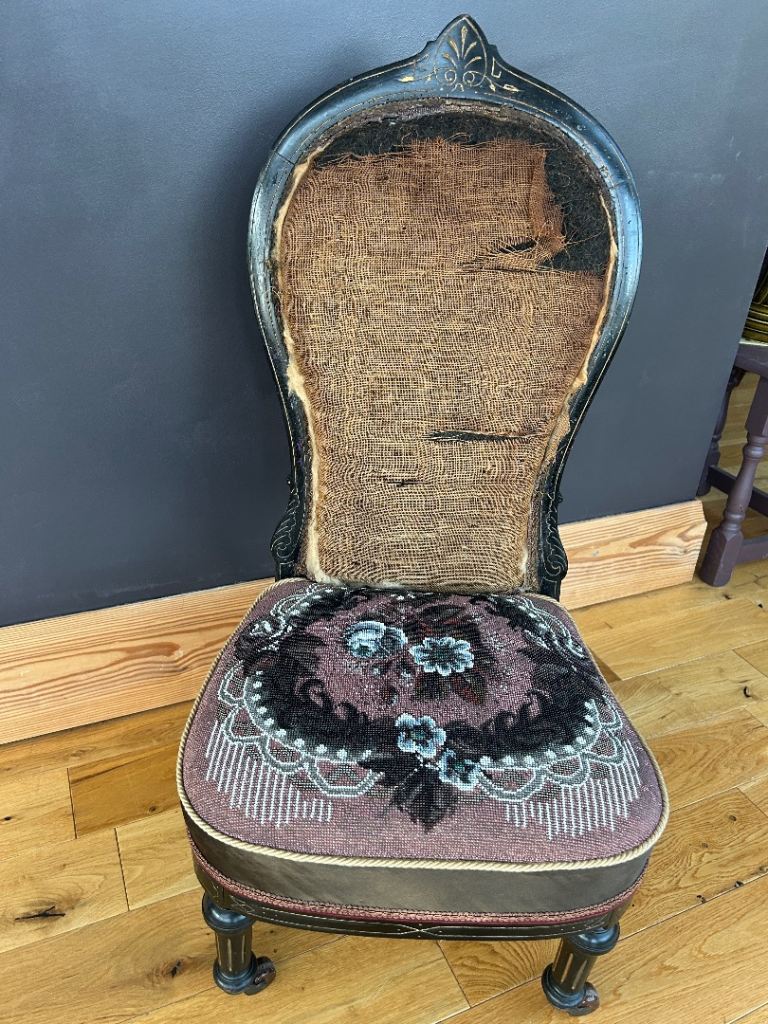
The term usually refers to a small chair made for a child’s bedroom or nursery. Designs vary according to period and maker, but many were built in the style of full-sized adult furniture. They may have turned legs, shaped backs, rush or cane seats, painted decoration, or upholstered cushions. Some are simple and practical; others were made with decorative details that echo the fashionable furniture of their time.
Older chairs were often made from solid timber, including oak, beech, mahogany or pine. Their construction and finish can offer clues to their age, although appearance alone is not enough to confirm when a piece was made. Reproductions and later alterations are common, so specialist advice may be helpful when a chair is being valued or bought as an antique.
Why collectors and decorators love them
The appeal of a nursery chair lies partly in its scale. A child-sized piece can add variety to a display of larger furniture, while still being useful as an accent in a bedroom, hallway or reading corner. A well-preserved chair may also reveal details that are easy to overlook on larger pieces, such as hand-shaped joints, carved motifs or layers of old paint.
For collectors, condition and originality are important. A chair with its original seat, finish and hardware may be especially desirable, though signs of age can also contribute to its character. For decorators, a carefully restored example can work well in a traditional interior, while a naturally aged chair may suit a more relaxed, eclectic space.
What to look for when buying
- Construction: Look at the joints, underside and back of the chair. Hand-cut details or traditional joinery may offer useful clues, but should be considered alongside other evidence.
- Condition: Check for loose joints, cracks, woodworm damage, unstable legs and repairs. A chair can look attractive while still needing professional attention.
- Finish: Paint, varnish and upholstery may have been replaced over the years. Ask whether any restoration has been carried out and, if possible, whether earlier photographs or records are available.
- Proportions: Measurements help establish whether the chair is genuinely child-sized and whether it will suit the space you have in mind.
- Provenance: Receipts, family histories or a known maker can add context, although claims should be supported where possible.
Prices vary widely according to age, maker, materials, condition and rarity. Comparing similar pieces and seeking advice from a reputable antiques dealer or furniture specialist can help you make an informed decision.
Care and display
Keep an antique nursery chair away from direct sunlight, radiators and damp areas, as changes in light, heat and humidity can affect timber and finishes. Dust it gently with a soft, dry cloth. Avoid household sprays, abrasive cleaners and DIY refinishing unless you are confident they are suitable; removing an old finish can reduce both the chair’s character and its value.
If the chair is damaged or unstable, consult a conservator or experienced furniture restorer. A sympathetic repair will usually preserve more of the piece’s history than a complete makeover.
A note on safety
An antique nursery chair should generally be treated as a collectible or decorative object, not as modern seating for a young child. Old furniture may have weakened joints, unstable finishes, loose parts or materials that do not meet current safety standards. If children are likely to use it, have the chair assessed by a qualified professional and do not leave a child unattended with it.
A timeless piece for a thoughtful interior
From a plain wooden seat to a finely decorated miniature chair, each antique nursery chair has its own character. Choose one for its craftsmanship, history and condition, and it can become a distinctive feature in a home—bringing a little piece of the past into the present.
Six Reasons to Adore an Antique Nursery Chair: Vintage Charm and Timeless Appeal
- Adds vintage charm to a nursery or bedroom.
- Showcases traditional craftsmanship and materials.
- Compact size suits smaller spaces.
- Can become a distinctive decorative feature.
- Offers a glimpse into childhood furniture from the past.
- May be a treasured collectible or family heirloom.
Considerations When Purchasing an Antique Nursery Chair: Stability, Restoration Costs, Suitability, and Authenticity Challenges
- May be unstable or fragile.
- Can require costly restoration.
- Often unsuitable for children to use.
- Authenticity and age can be difficult to verify.
Adds vintage charm to a nursery or bedroom.
An antique nursery chair adds instant vintage charm to a nursery or bedroom. Its time-worn finish, traditional craftsmanship and distinctive details bring warmth and character to the space, creating a lovely focal point that feels both timeless and personal.
Showcases traditional craftsmanship and materials.
An antique nursery chair showcases the traditional craftsmanship and materials of its time. Details such as carefully shaped timber, hand-cut joints, turned legs and woven seats reveal the skill involved in making a piece that was both practical and attractive. Often crafted from solid wood, these chairs have a warmth and character that modern mass-produced furniture can struggle to replicate.
Compact size suits smaller spaces.
An antique nursery chair’s compact size makes it a practical choice for smaller spaces, where a full-sized armchair might feel overwhelming. Its petite proportions allow it to fit neatly beside a bookcase, in a bedroom corner or within a small reading nook, while still adding a distinctive touch of character and charm.
Can become a distinctive decorative feature.
An antique nursery chair can become a distinctive decorative feature, bringing character and a sense of history to a room. Its charming proportions, traditional craftsmanship and unique finish make it stand out, whether displayed in a child’s bedroom, a hallway or a cosy reading corner.
Offers a glimpse into childhood furniture from the past.
An antique nursery chair offers a glimpse into how children’s furniture was made and used in the past. Its materials, shape and decorative details can reflect the design tastes and craftsmanship of its era, while its small scale evokes the everyday life of a child in an earlier home.
May be a treasured collectible or family heirloom.
An antique nursery chair can be much more than a charming piece of furniture: it may become a treasured collectible or a meaningful family heirloom. Passed down through generations, it can carry memories of childhood and family life, while its age, craftsmanship and distinctive character make it a special keepsake to display and cherish.
May be unstable or fragile.
Antique nursery chairs can be unstable or fragile, particularly if their joints have loosened or the wood has weakened with age. Previous repairs may not be reliable, and delicate finishes or decorative parts can be easily damaged. Before buying or displaying one, check it carefully for cracks, wobbling legs and loose components; it may be best treated as a decorative piece rather than used for seating.
Can require costly restoration.
One drawback of an antique nursery chair is that it may need costly restoration before it is safe or suitable to use. Loose joints, damaged timber, worn upholstery or an ageing finish can all require specialist attention, and careful repairs may be more expensive than expected. Before buying, check the chair’s condition and factor any restoration costs into your budget.
Often unsuitable for children to use.
One drawback of an antique nursery chair is that it may not be safe or practical for children to use. Age, wear or past repairs can leave the frame unstable, while older finishes and materials may not meet modern safety standards. It is often best treated as a decorative piece, unless it has been checked and approved for use by a qualified professional.
Authenticity and age can be difficult to verify.
Authenticity and age can be difficult to verify when buying an antique nursery chair. Reproductions, later alterations and replacement parts can make a chair appear older or more original than it is, while wear alone is not reliable proof of age. Without clear provenance or expert assessment, it may be hard to confirm when and where the chair was made, so buyers should look closely at its construction and condition and seek specialist advice if needed.