Choosing the Right Nursery for Your Child
Choosing the Right Nursery for Your Child
Starting nursery is an important step for children and their families. A good nursery offers more than childcare: it provides a safe, welcoming place where young children can play, build relationships and explore the world around them.
What happens at nursery?
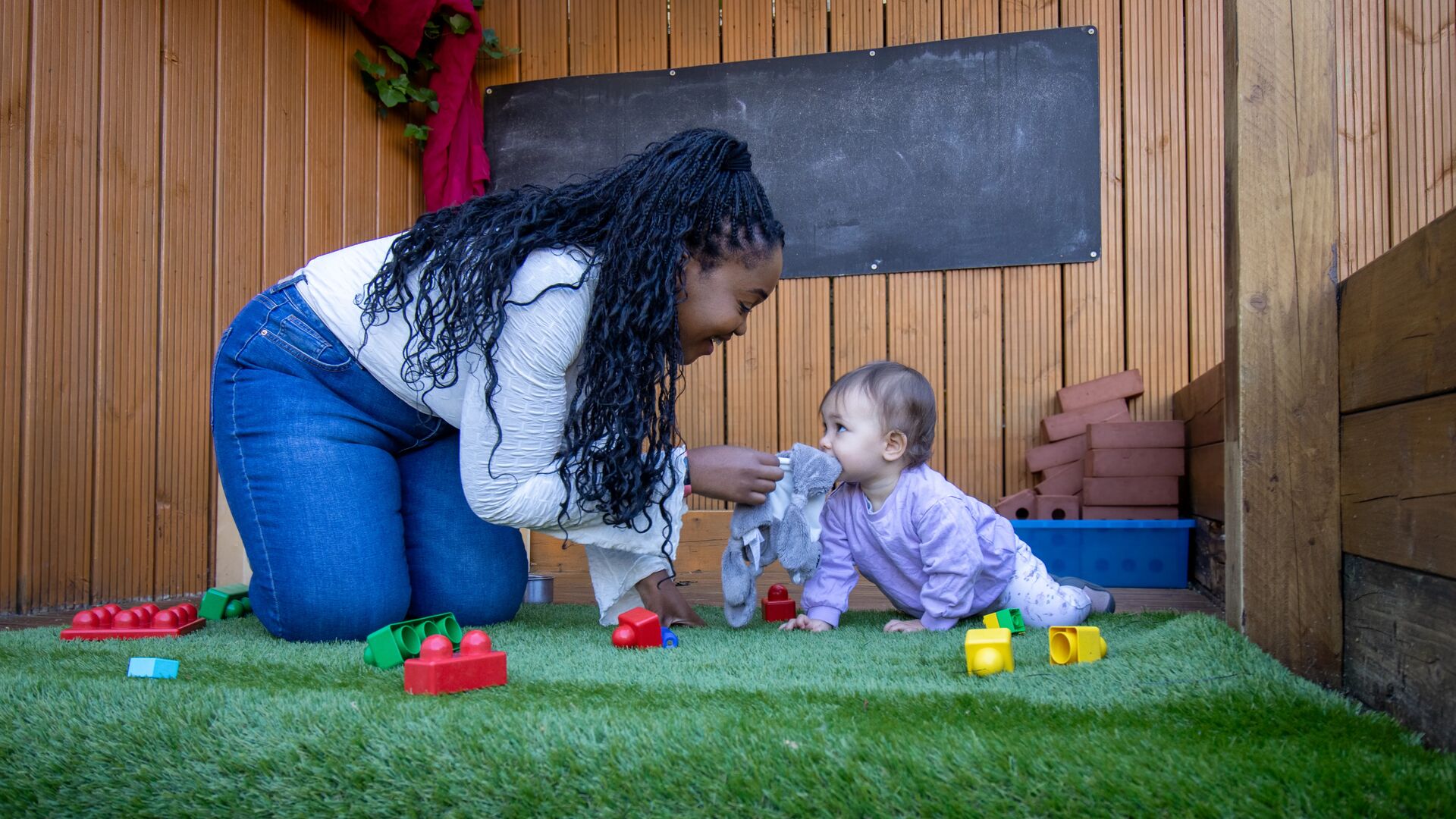
Nursery days usually include a mix of child-led play, planned activities, meals, rest and time outdoors. Children might paint, listen to stories, build with blocks, explore sensory materials or play alongside their friends. These experiences help them practise communication, cooperation and problem-solving while developing confidence and independence.
Play is central to early learning. Through enjoyable, age-appropriate activities, children can develop physical skills, express their ideas and become curious about new things. Practitioners observe and support each child’s interests and development, adapting activities to suit different needs and stages.
What to look for when visiting a nursery
Every family has different priorities, so visiting a nursery can help you decide whether it feels right for your child. Consider asking about:
- Safety and wellbeing: How does the nursery keep children safe and support their health?
- Staff and relationships: How do staff help children feel settled, listened to and included?
- Daily routines: What does a typical day look like, including meals, naps and outdoor play?
- Learning and play: How are activities planned around children’s interests and development?
- Communication with families: How will you hear about your child’s day, progress and needs?
- Practical arrangements: Ask about opening hours, fees, settling-in visits, food and what your child should bring.
It can also be helpful to notice how children and staff interact during your visit. A warm, calm atmosphere and respectful communication can make a big difference to a child’s experience.
Helping your child settle in
Beginning nursery can bring a mixture of excitement and uncertainty. If possible, arrange introductory visits so your child can explore the setting with you before staying independently. Talk positively about what they may do there, and share useful information with staff about their routines, favourite activities and ways of being comforted.
Some children settle quickly; others need more time. Keeping goodbyes reassuring and consistent can help, and nursery staff can work with you to find an approach that suits your child. Settling in is a process, so stay in touch with the team and let them know about any concerns.
Working together with families
Children benefit when families and nursery staff share information and work in partnership. Updates about sleep, health, interests or changes at home can help practitioners provide thoughtful, consistent care. In return, regular conversations about your child’s experiences can help you understand what they enjoy and how they are developing.
Early years guidance varies across the UK. In England, registered early years providers follow the Early Years Foundation Stage (EYFS); other nations have their own frameworks and arrangements. When researching a nursery, check the relevant local guidance and inspection information.
A positive first step
The right nursery can give children opportunities to make friends, try new things and grow in confidence, while giving families support and reassurance. Taking time to visit, ask questions and discuss your child’s individual needs can help you make a choice that works for your family.
Common Questions About Nursery in the UK: Understanding Age, Cost, and Benefits
- What is a nursery?
- Is nursery free in the UK?
- Is it 15 or 30 hours free childcare?
- What age should your child go to nursery?
- What does the word nursery mean?
- What age should start nursery?
- Is nursery good for a 1 year old?
What is a nursery?
A nursery is a childcare setting for babies and young children, usually before they start school. Children are cared for by trained staff in a safe, welcoming environment, where they can play, explore, make friends and learn through age-appropriate activities. Nurseries also work with families to support each child’s wellbeing, development and daily routines.
Is nursery free in the UK?
Nursery may be free for some hours, but it is not usually free for full-time care. The funded hours available depend on where you live in the UK, your child’s age and, in some cases, your family’s circumstances or work status. For example, eligible children in England can receive funded early-education hours, while Scotland, Wales and Northern Ireland have their own schemes. Extra hours, meals, nappies or activities may cost more, so check the details and eligibility rules with your local authority and nursery.
Is it 15 or 30 hours free childcare?
It depends on your child’s age, where you live and whether you meet the eligibility criteria. In England, eligible working parents may be able to claim funded childcare hours for children from 9 months old, while eligible 2-year-olds and all 3- and 4-year-olds can access different entitlements. The number of funded hours and how they can be used vary, and additional charges may apply for meals or extra services. Rules differ across the UK, so check with your local authority or the nursery to find out what your family can receive.
What age should your child go to nursery?
There’s no single right age for a child to start nursery; it depends on your family’s needs and how ready you feel. Some nurseries welcome babies from a few months old, while others care for children from around age two or three. Visit local settings to check their age ranges, availability and settling-in arrangements, and ask about funded early-years childcare in your part of the UK.
What does the word nursery mean?
A nursery is a place where young children are cared for and supported while they play and learn, usually before starting school. The word can also mean a room or area where plants are grown, or a baby’s bedroom. Its meaning depends on the context, but when discussing childcare, a nursery generally refers to an early-years setting for babies and young children.
What age should start nursery?
There is no single “right” age to start nursery—it depends on your child and your family’s circumstances. Some nurseries welcome babies from a few months old, while others care for children from around one or two years of age. Consider your childcare needs, your child’s temperament and the setting’s routines, and arrange a visit to discuss how they support new starters. Government-funded childcare eligibility varies across the UK and is separate from deciding when your child is ready to attend.
Is nursery good for a 1 year old?
Nursery can be a positive experience for a 1-year-old when the setting provides warm, responsive care and age-appropriate play, rest and routines. It can offer opportunities to explore, interact with other children and build relationships with familiar practitioners, but it is not essential for every child. Consider your child’s temperament and needs, visit the nursery, ask about staff, settling-in arrangements and daily routines, and choose an arrangement that feels right for your family.